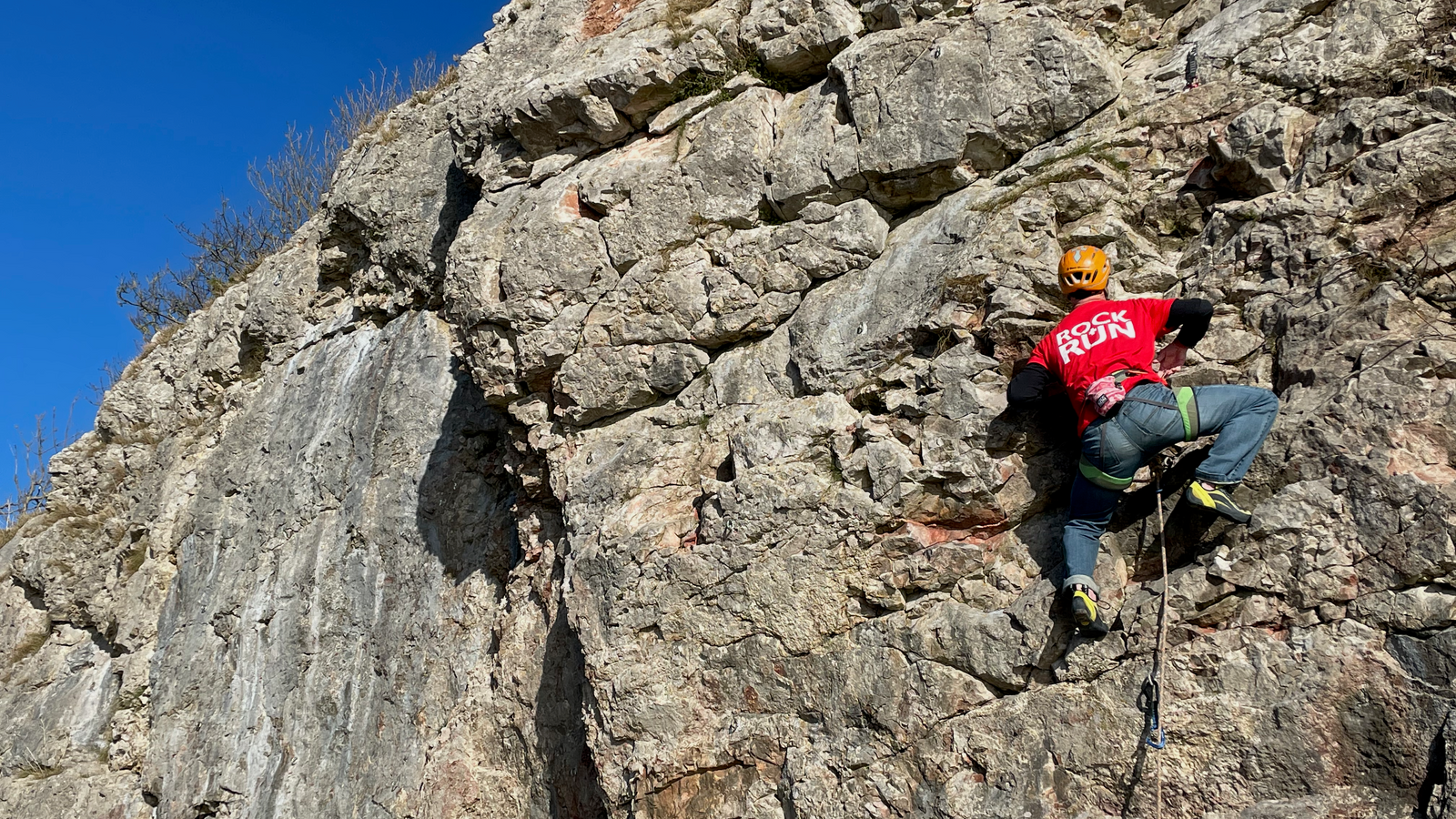
What type of climbing helmet do I need?
There are three main types of climbing helmet: expanded foam, hardshell and hybrid. Each has different strengths depending on how you climb.
Expanded foam helmets use a moulded polystyrene liner, similar to a cycle helmet. They're generally lighter, which matters on long alpine routes or multipitch climbs. Hardshell helmets have a tough outer shell over a suspension system or thin foam. They're more durable and handle repeated knocks better, making them a good choice for instructors or regular cragging. Hybrid helmets combine a hardshell top with foam sides, aiming to balance impact protection with lower weight.
Rock climbing vs mountaineering helmets
The same helmet often works for both rock climbing and mountaineering, but your priorities might differ. For sport climbing or indoor use, you'll probably want something light and well-ventilated. For mountaineering, especially in winter or at altitude, durability and the ability to fit over a warm hat become more important.
The most common head injuries come from falling objects like rocks, something you have little control over. A mountaineering helmet needs to handle impacts from above as well as from falls. Check that any helmet meets the relevant safety standards, and consider how it fits with a headtorch or over a beanie if you're heading into the hills.
Getting the right fit
A helmet that doesn't fit properly won't protect you. It should sit level on your head, low enough to cover your forehead but not so low it blocks your vision when you look up. Most helmets have an adjustable dial or webbing at the back to tighten the circumference, and some have adjustable height too.
The chinstrap should be snug but comfortable, sitting just in front of your earlobes. When you open your mouth wide or look up sharply, the helmet should stay put without sliding backwards. If you climb year-round, check whether it adjusts enough to fit over a beanie or thin balaclava.
- Try it on with any headtorch or headband you normally wear
- Shake your head — the helmet should move with you, not rattle around
- Check there's no pressure point after a few minutes of wearing it
- Women and younger climbers often need smaller sizes or different head shapes
Features to consider
Ventilation helps on hot days or during strenuous climbing, but too many vents can make a helmet colder in winter or less protective against small falling debris. Clip points for a headtorch are useful if you're likely to be descending in the dark or starting alpine routes before dawn.
Weight matters more the longer you're wearing it. A lighter helmet is less noticeable on your head during a full day out, but make sure you're not sacrificing durability if you climb frequently or in rough environments. Some helmets have a peak or extended rear coverage; these add a little weight but offer more protection.
Choosing for beginners and groups
If you're new to climbing or buying for a group, look for a helmet that's straightforward to adjust and durable enough to handle regular use. Hardshell models often stand up better to being thrown in and out of bags and the odd scrape against rock.
Beginners sometimes underestimate how much time they'll spend wearing a helmet, so comfort and fit matter just as much as for experienced climbers. A well-fitting, no-fuss helmet encourages people to wear it every time, which is the whole point.
Questions we get asked
Do I need different helmets for indoor and outdoor climbing?
No, the same helmet works for both. However, if you only climb indoors, you might prefer a lighter, more ventilated model since falling rock isn't a concern. Outdoor climbers, especially on mountain routes, need a helmet that handles impacts from above.
How long does a climbing helmet last?
It depends on use and the type of helmet. Manufacturers usually recommend replacement after a certain number of years or after any significant impact. Inspect it regularly for cracks, dents or degraded foam, and replace it if you're in any doubt.
Can children use adult climbing helmets?
Not safely, in most cases. Children's heads are smaller and differently shaped, so they need helmets designed for their size. An adult helmet that's too large won't sit securely or protect properly.
What's the difference between a Black Diamond and a Petzl helmet?
Both brands make reliable helmets across different types and price points. The choice usually comes down to fit, weight and features rather than brand. Try a few on to see which shape suits your head best.
Should I replace my helmet if I drop it?
If it's dropped from a height or onto a hard surface, inspect it carefully. Expanded foam helmets are more likely to suffer hidden damage from impacts, even without visible cracks. When in doubt, replace it.