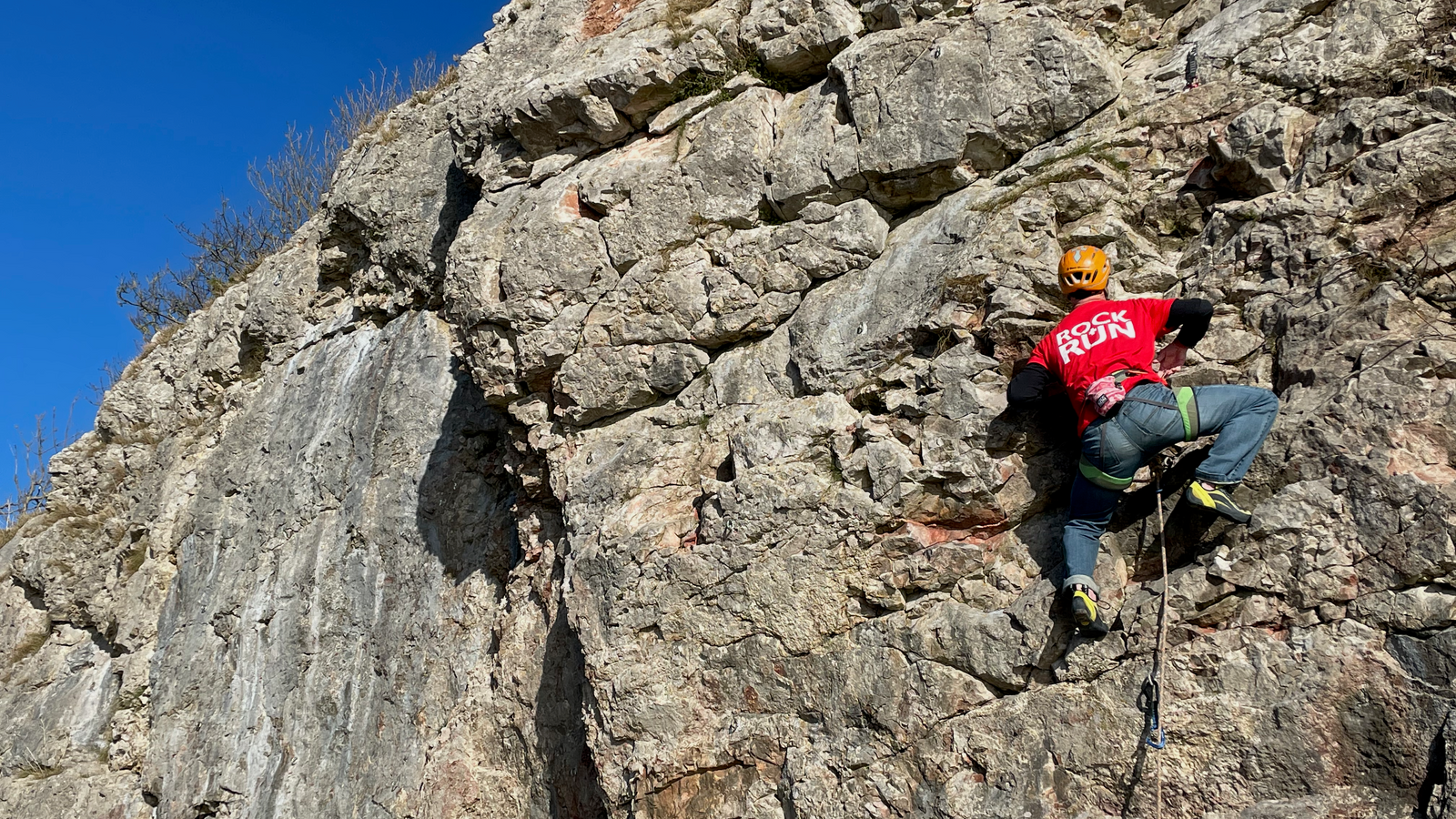
What is DMM?
DMM is a British climbing gear designer and manufacturer based in Llanberis, North Wales. They specialise in metallic climbing hardware and are widely regarded as one of the world's leading brands in this category.
Their product range covers the essential metalwork for rock climbing and mountaineering: carabiners, nuts, cams, quickdraws and other protection. You'll also find harnesses, slings and ice climbing accessories in their catalogue.
DMM carabiners and quickdraws
Carabiners form the backbone of any climbing rack. DMM offers a variety of gate types and shapes to suit different uses — wiregate models tend to be lighter and less prone to gate flutter, while solid gates feel more reassuring on belays. Look at the shape too: D-shaped carabiners load efficiently along the spine, while HMS or pear-shaped biners suit belaying and munter hitches.
Quickdraws combine two carabiners with a sewn sling. Consider the length you need for the routes you climb — shorter draws sit neatly on bolted sport routes, while longer ones help reduce rope drag on wandering trad pitches.
DMM nuts, hexes and cams
Nuts and hexes are passive protection: metal wedges you slot into constrictions in the rock. Nuts are the workhorse of trad climbing — light, simple, reliable. Hexes are larger and can work in parallel cracks where nuts won't. If you're building your first trad rack, a set of nuts is the natural starting point.
Cams (spring-loaded camming devices) actively grip the rock and work in parallel-sided cracks. They're more versatile than nuts but also heavier and more expensive. Most climbers build a rack progressively, adding cams once they're confident placing passive gear.
- Start with a set of nuts for versatility and value
- Hexes cover larger placements at lower cost than cams
- Cams expand your options on routes with parallel cracks
- Micro nuts fill tiny placements on technical routes
DMM helmets and harnesses
Helmets are non-negotiable for climbing. Look for one that fits comfortably and doesn't shift when you look up. Ventilation matters on long summer days; adjustability ensures a secure fit over a beanie in winter.
Harnesses need to balance comfort with functionality. More padding suits long multipitch days or big wall climbing. Minimalist harnesses save weight for fast alpine routes. Check the gear loops are well-positioned for the amount of equipment you'll carry.
Building your first trad rack
If you're new to traditional climbing, DMM offers a guide to help you assemble your first rack. The essentials are a set of nuts, a selection of carabiners, some quickdraws and slings for extending placements. Add cams as your budget and experience grow.
Think about the routes you'll climb most often. Limestone and gritstone demand different rack compositions. Local knowledge and a gradual build-up will serve you better than buying everything at once.
Questions we get asked
Where is DMM climbing equipment made?
DMM is a British company based in Llanberis, North Wales. For details on where specific products are manufactured, check the individual product descriptions.
What's the difference between nuts and cams?
Nuts are passive protection — wedges you slot into constrictions — while cams use springs to actively grip parallel-sided cracks. Nuts are lighter, simpler and cheaper; cams are more versatile but heavier and costlier.
Do I need hexes if I have nuts and cams?
Hexes fill a gap between large nuts and small cams. They're useful for wide cracks and cost less than equivalent-sized cams, making them a good option if you're building a rack on a budget.
What carabiner gate type should I choose?
Wiregate carabiners are lighter and resist freezing or gate flutter. Solid gates feel more substantial and some climbers prefer them for belaying or critical placements. Both are safe; it's mostly down to personal preference and intended use.
How do I know what size harness or helmet to buy?
Check the sizing guide on each product page and measure yourself carefully. Harnesses should sit snugly on your waist without restricting movement. Helmets must not shift when you move your head, and should adjust to fit over winter headwear if needed.