What is an ice axe used for?
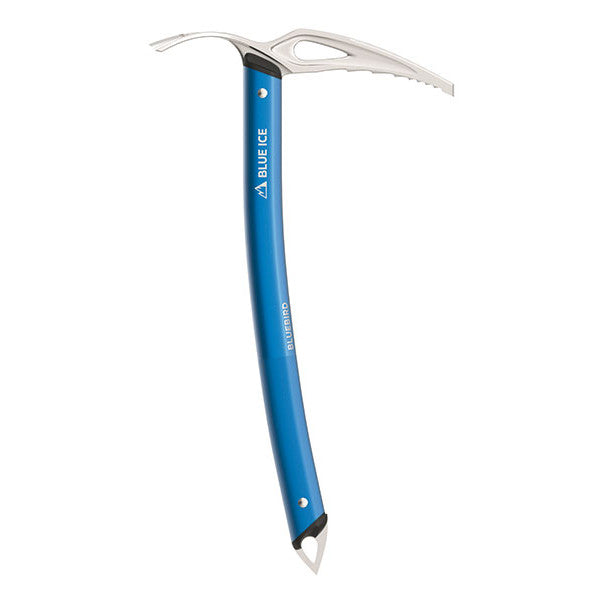
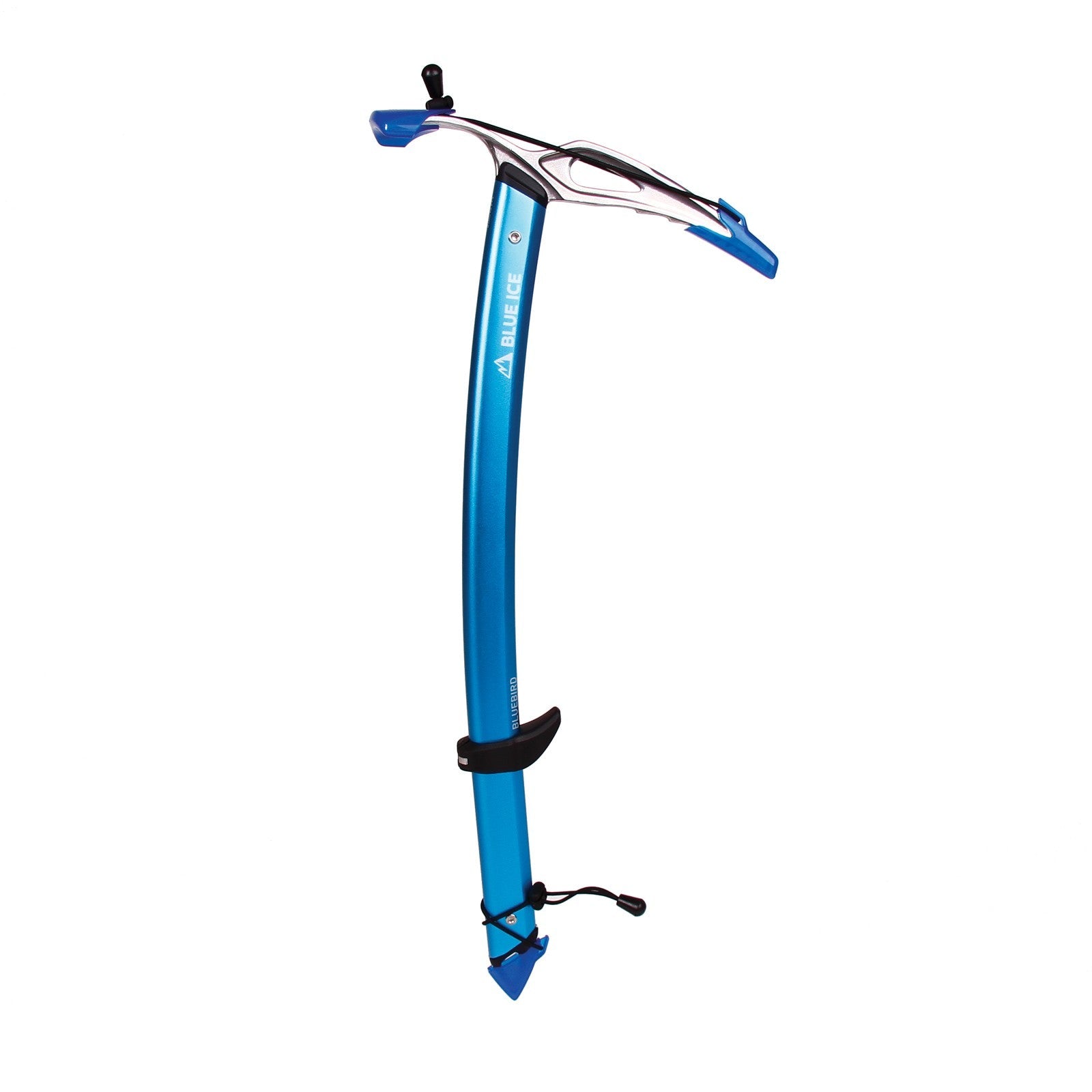
An ice axe is a winter tool used by climbers and mountaineers when moving over snow, ice or mixed terrain. It provides security on steep ground, helps with balance on easier slopes, and acts as an anchor if you slip. The pick digs into frozen surfaces to arrest a fall, whilst the shaft gives support when walking or ascending.
Ice axes come in two broad types: mountaineering axes for general winter hiking and mountaineering, and technical axes (often called ice tools) used in pairs for steeper, more vertical ice and mixed climbing. Your choice depends on the terrain you'll encounter most often.
Mountaineering ice axe or technical ice tool?
A mountaineering ice axe has a straight or slightly curved shaft and is designed to be used as a single tool. It's the right choice for winter hillwalking, alpine routes with moderate-angled snow slopes, and classic mountaineering where you're mostly walking but occasionally need security on steeper sections. The longer shaft lets you use it as a walking aid on easier ground.
Technical ice tools have more aggressive curves and are designed to be used in pairs. They're built for steep ice climbing, vertical mixed routes and technical mountaineering where you're swinging the tools overhead into ice. The curve allows efficient placement on near-vertical terrain but makes them less practical as a walking aid on moderate slopes.
What length ice axe do I need?
For a mountaineering axe, length matters because you'll be using it for support whilst walking. When held upright beside you with your arm relaxed, the spike should reach somewhere between your ankle and mid-calf. Taller climbers generally need longer axes, though personal preference and the terrain you frequent also play a part.
Technical ice tools are much shorter because you're swinging them overhead rather than leaning on them. Length is less about your height and more about the tool's intended use, with different models optimised for pure ice climbing versus mixed terrain.
What features should I look for?
The pick is the most important part. On mountaineering axes it's designed for plunging into snow and self-arresting if you slip. Technical picks are more aggressive for biting into hard ice. Some axes have replaceable picks, allowing you to swap between different profiles or replace worn picks without buying a new tool.
The shaft material affects weight and durability. Aluminium is lighter; steel is heavier but stronger and preferred where the shaft might strike rock. The adze (the flat blade opposite the pick) is useful for cutting steps or clearing snow, though some technical tools omit it to save weight. A spike at the base helps with plunging the axe into snow.
- Grip and leash attachments: many axes have textured grips and holes for attaching a wrist leash or tether
- Head design: curved or angled heads on technical tools improve clearance when swinging into vertical ice
- Weight: lighter axes reduce fatigue on long days, but very light tools may sacrifice durability
Which brands should I consider?
Rock+Run stocks ice axes and tools from leading mountaineering brands including Black Diamond, Grivel and Petzl. These manufacturers have decades of experience in mountain equipment and offer everything from straightforward mountaineering axes for hillwalkers through to high-performance technical tools for vertical climbing. If you're unsure which axe suits your plans, our team can help match you to the right tool.
Questions we get asked
Do I need an ice axe for winter hillwalking?
If you're heading into the mountains in winter, an ice axe is essential safety equipment. Even on paths that feel straightforward in summer, snow and ice can create hazardous conditions where a slip could become a serious fall. An ice axe gives you the means to stop yourself if you lose your footing.
Can I use a mountaineering ice axe for ice climbing?
A straight-shafted mountaineering axe isn't designed for steep ice climbing and will feel awkward and inefficient on vertical terrain. For anything steeper than about 60 degrees, you need technical ice tools used in pairs. If you're moving between moderate mountaineering and occasional steeper pitches, consider what you'll do most often.
Should I buy a wrist leash with my ice axe?
For mountaineering axes, a simple wrist leash stops you losing the axe if you drop it during a self-arrest. Many climbers find them useful for security on moderate terrain. On technical routes, leashes or tethers prevent dropping expensive tools but opinions vary on whether they help or hinder depending on the climb and your style.
How do I know if an axe is too short or too long?
If a mountaineering axe is too short, you'll be stooping to reach the ground when using it for balance, which is tiring over distance. If it's too long, it becomes unwieldy when carrying or using for self-arrest. The ankle-to-mid-calf guideline is a starting point, but trying an axe in the shop or on hire helps refine your preference.
What is the adze used for?
The adze is the flat blade opposite the pick. It's useful for chopping steps in hard snow, clearing snow from ledges, or digging out tent platforms. If you're mostly on easy-angled snow you may never use it, but on more committing routes it's a practical tool to have available.