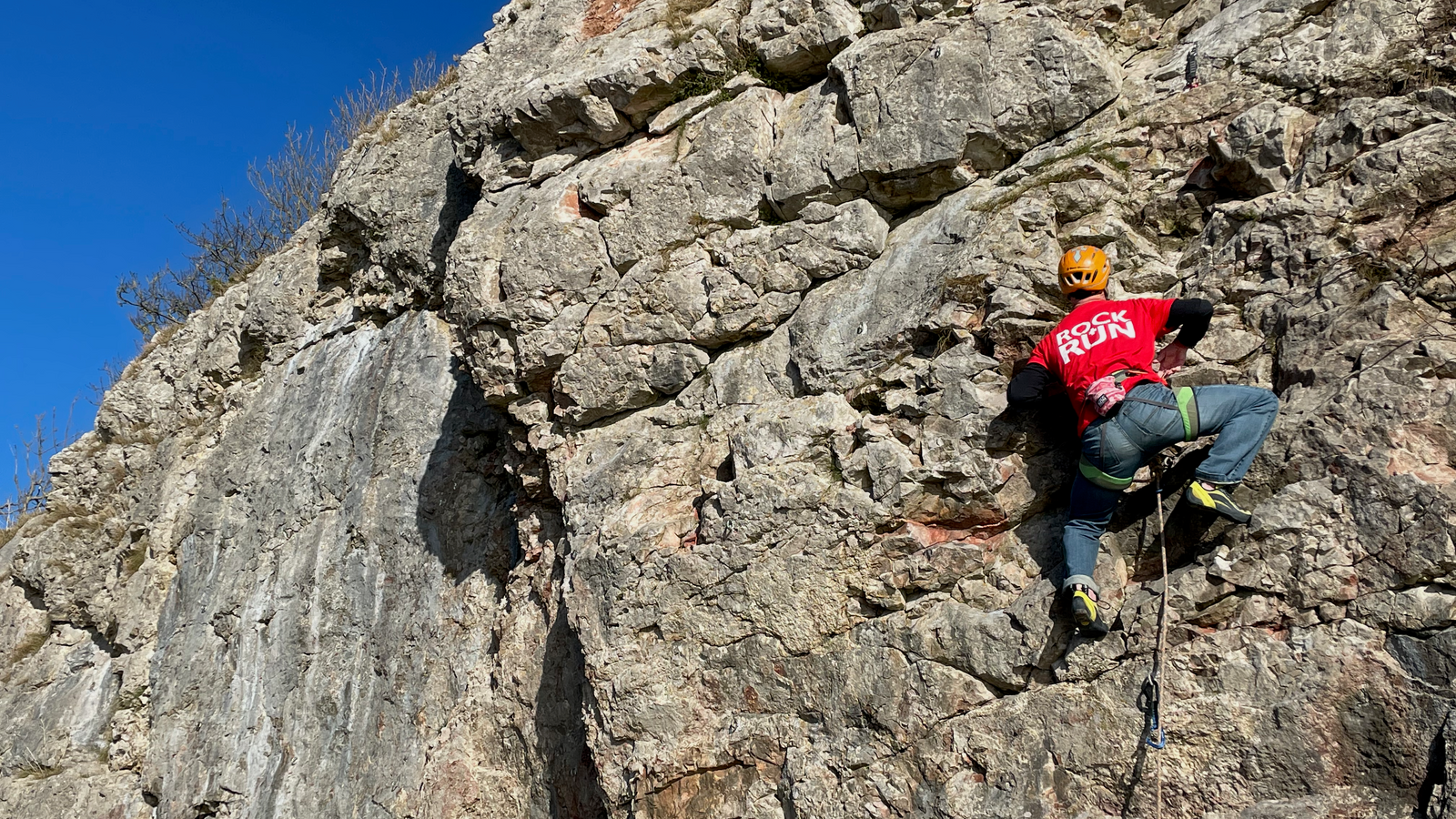
What to look for in a climbing harness
A climbing harness is protective equipment you wear to attach yourself to the rope. The most important factor is fit. Your harness should hold you securely during a fall without causing pain or allowing you to slip out, whilst giving you a full range of movement when climbing.
Sit harnesses are most commonly used in rock climbing. Full body harnesses are popular for children, as they're more difficult to slip out of and distribute force across a larger area. Whatever style you choose, correct fit matters more than colour or aesthetics.
Harnesses for beginners vs experienced climbers
If you're new to climbing, look for a harness with good padding on the waist belt and leg loops, adjustable leg loops for comfort, and enough gear loops to carry the basics. These features make learning more comfortable and give you room to grow into the sport.
More experienced climbers often prioritise weight savings and streamlined designs where every gram and design feature counts. Performance harnesses tend to have less padding, fewer adjustments once fitted, and a closer fit for technical movement. The right choice depends on the type of climbing you do most and what matters to you on the rock.
Getting the right fit
Your harness should fit snugly around your waist, sitting above your hips so you cannot slip out during a fall. The leg loops need to be tight enough to stay in place but not so tight they restrict movement or cause discomfort. Many harnesses offer adjustable leg loops, which is useful if you climb in different seasons with varying clothing layers.
Try the harness on if possible and simulate a few climbing positions. Lift your knees high, spread your legs wide, and sit back as if hanging on the rope. Check that nothing pinches or digs in, and that the harness doesn't ride up or shift position. Remember you'll be wearing this for hours at a time, so comfort matters. With decent use, your harness should last five to six years.
- Waist belt should sit above the hips
- Leg loops should stay in place without pinching
- Check the fit in climbing positions, not just standing
- Consider adjustable leg loops if you climb year-round
Features to consider
Gear loops let you rack your equipment within reach. More loops give you better organisation for trad climbing, whilst sport climbers may need fewer. Some harnesses have ice clipper slots at the back for winter climbing or haul loops for big wall routes.
Buckles vary between designs. Double-back buckles require threading the strap back through, whilst some modern systems allow quicker adjustment. Check what's required, as incorrect buckling is a common and dangerous mistake.
Questions we get asked
What's the difference between a sit harness and a full body harness?
A sit harness goes around your waist and legs and is the standard choice for adult rock climbing. Full body harnesses also support the chest and are more commonly used for children, as they're more difficult to slip out of and provide better support for smaller climbers.
How tight should a climbing harness be?
Your waist belt should be snug enough that it sits above your hips and you cannot pull it down over them. Leg loops should be firm but not restricting. You should be able to fit a flat hand between the harness and your body, but no more.
Can I use the same harness for indoor and outdoor climbing?
Yes, the same harness works for both. However, if you mostly climb indoors you might prefer more padding for comfort during repeated falls. Outdoor climbers, especially on longer routes, may want more gear loops and features for carrying equipment.
Do I need adjustable leg loops?
Adjustable leg loops are useful if you climb in different seasons with varying clothing layers, or if you're still growing. Fixed leg loops are lighter and simpler but must fit correctly when you buy them.
How long does a climbing harness last?
With decent use, expect five to six years. Inspect your harness regularly for wear, especially around the belay loop and tie-in points. Retire it sooner if you see damage, heavy wear, or after a major fall.