What are climbing slings used for
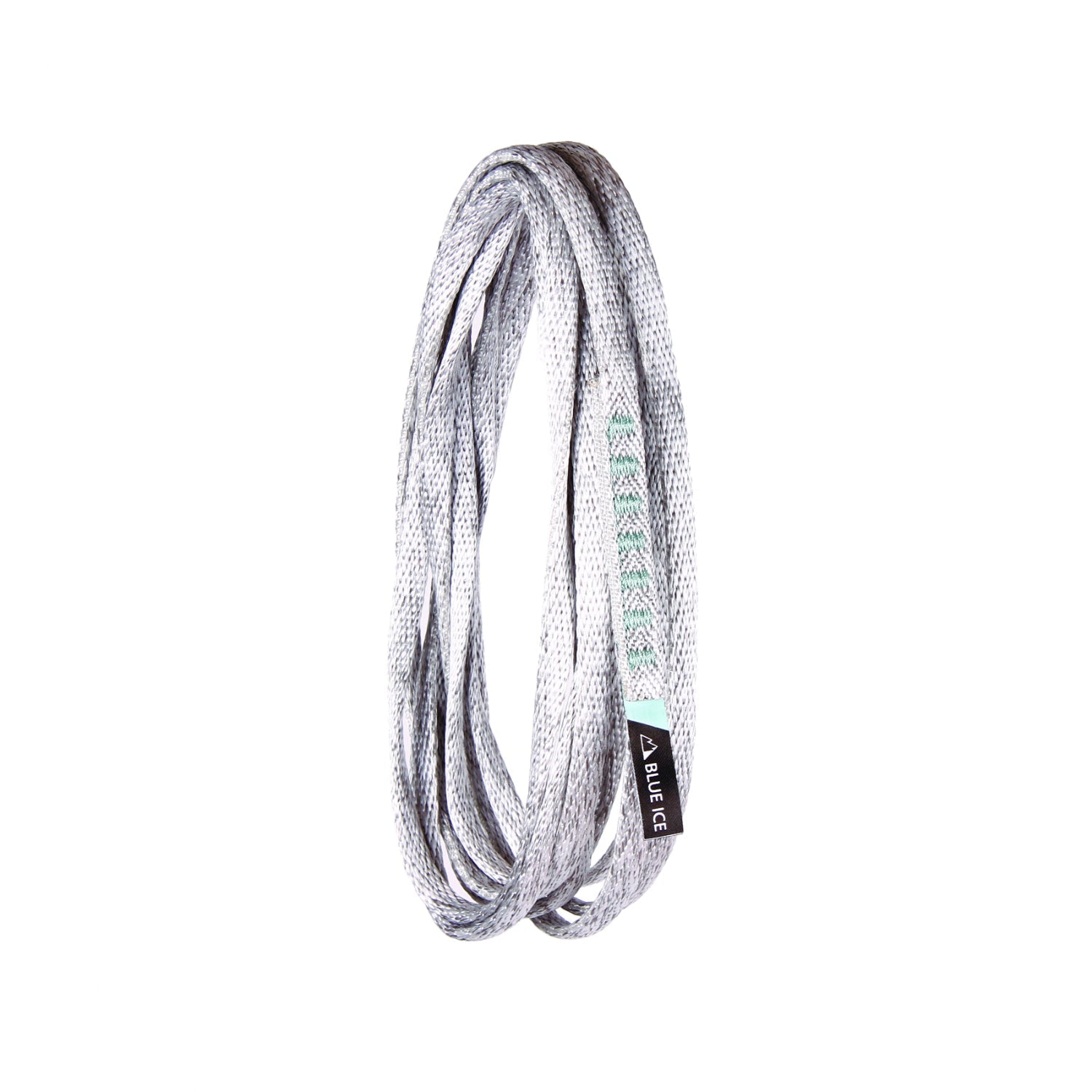
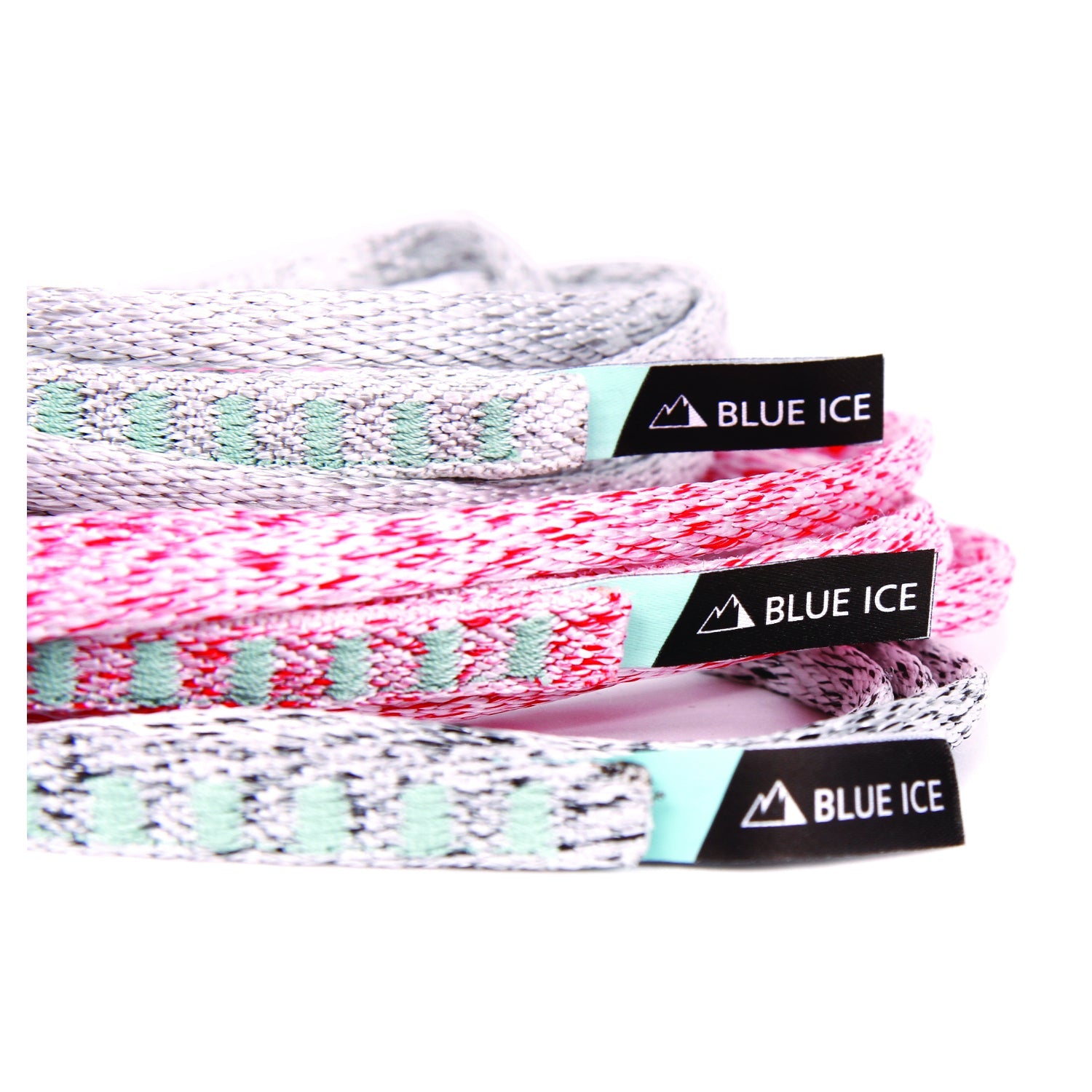
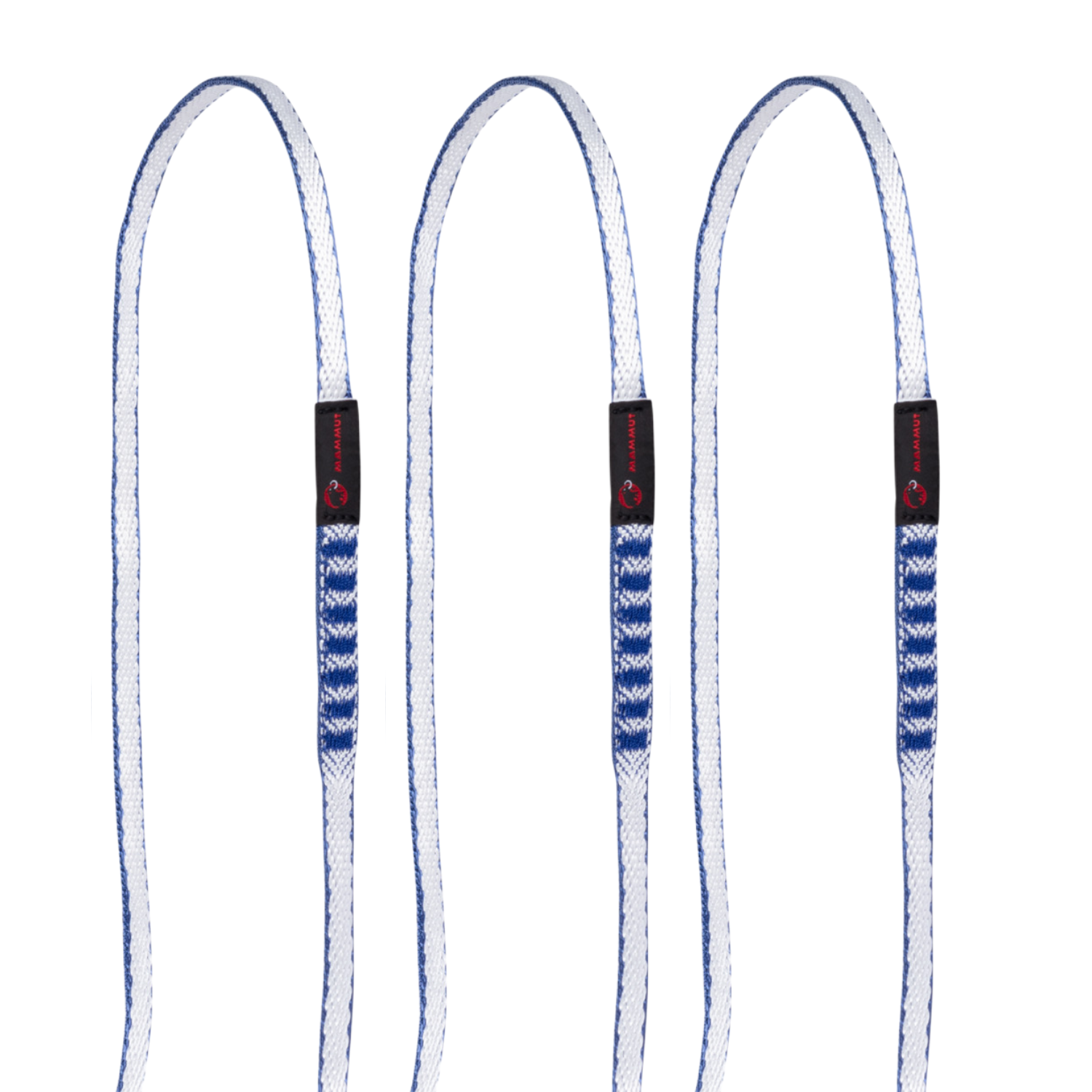
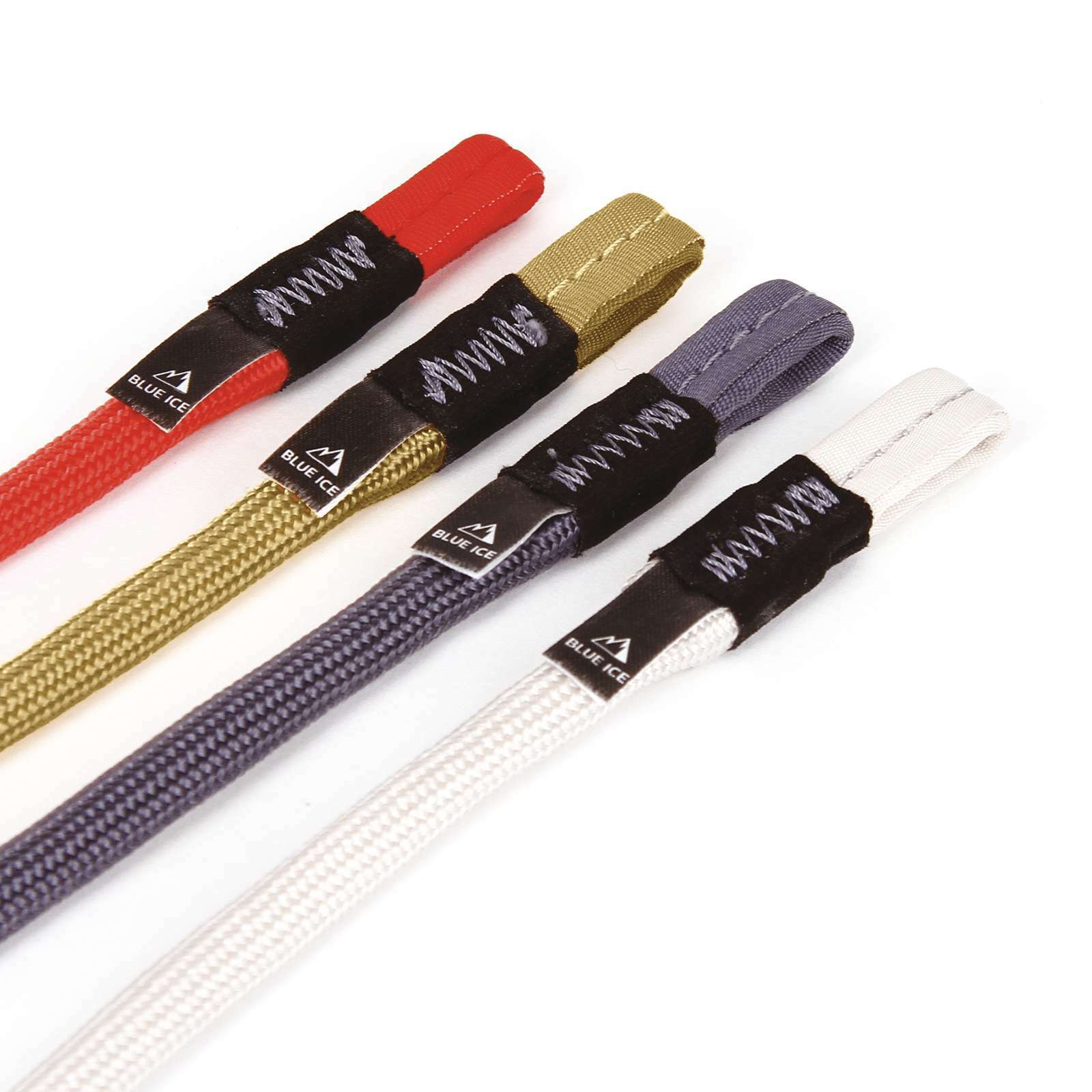
Climbing slings are sewn or tied loops of webbing that work alongside your other protection gear. You'll use them every time you climb, whether sport, trad or mountaineering.
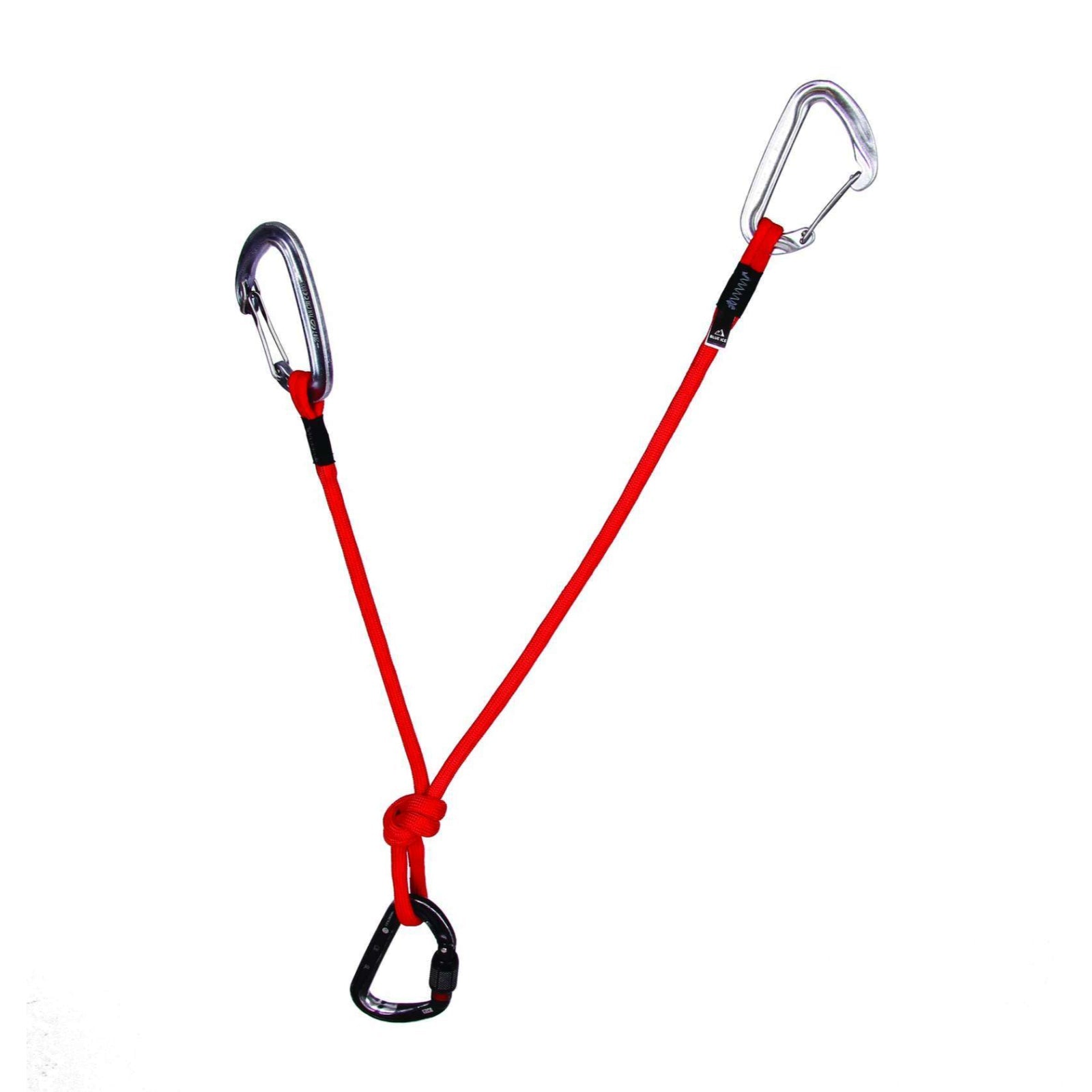
Their main jobs include extending placements to reduce rope drag, building anchors at belays or the top of pitches, slinging natural features like threads and spikes, and equalising multiple pieces of protection. Some climbers also carry longer slings for abseiling or emergency prussiking.
Nylon or Dyneema slings
Most climbing slings today are made from either nylon webbing or Dyneema. Each material suits different situations.
Nylon slings have more stretch, which helps absorb shock if you fall on a sling directly. This makes them better for top-rope anchors, slinging natural features where the sling might move over an edge, and any situation where dynamic behaviour is useful. They're also less prone to melting from friction.
Dyneema slings are much lighter and more compact for the same strength, so you can carry more without the weight penalty. They have very little stretch, making them ideal for extending gear placements and building static anchors where you want minimal extension. Dyneema is less durable when dragged over sharp rock and can melt at lower temperatures than nylon if subjected to friction.
Sling lengths: 60cm, 120cm, 240cm
Slings come in standard lengths to suit different tasks. Most climbers carry a selection.
Short slings, typically 60cm, are compact and light for extending single pieces of gear or carrying spare 'biners. Medium slings around 120cm are the workhorse length, long enough to sling features, extend gear properly or equalise two points. Long slings at 240cm or more let you reach distant anchors, sling large boulders or blocks, build multi-point anchors with plenty of adjustment, or fashion an emergency harness or chest harness for glacier travel.
How many slings do you need
The number depends on your climbing discipline. Sport climbers might carry just a couple for anchor building. Trad climbers typically rack half a dozen or more: a mix of lengths to extend gear, sling threads and build belay anchors.
A typical trad rack might include two or three 60cm slings, three or four 120cm slings, and one or two 240cm slings. Alpine and winter climbers often carry extra long slings for complex anchor setups and abseils. Start with a modest selection and add more as you learn what your routes demand.
Checking and retiring slings
Inspect your slings before every climb. Look for cuts, abrasion, stiffness, discolouration from UV exposure, and any signs of melting or chemical damage. Stitching should be intact with no loose or broken threads.
Retire a sling immediately if you've taken a significant fall directly onto it, if it shows any cut deeper than surface fuzz, or if the webbing feels stiff or damaged. Even without obvious damage, manufacturers typically recommend retiring soft goods after several years depending on use intensity. Keep a log of when you bought each sling and how hard you've used it.
Questions we get asked
Can I use the same sling for sport and trad climbing?
Yes, slings are universal across climbing disciplines. Nylon slings are more versatile if you're buying a small number to start with, while Dyneema slings offer weight savings if you're racking up for trad routes with lots of gear.
What's the difference between a sling and a runner?
In UK climbing, 'runner' and 'sling' mean the same thing: a loop of webbing. Historically 'runner' referred to the whole assembly including a sling and carabiner used as running protection.
Do I need to retire a sling after a fall?
Only if you fell directly onto the sling itself with significant force. If the sling was simply part of your rack or used to extend a cam or nut that caught the fall, and it shows no damage, it's usually fine to continue using.
Can I tie my own slings from webbing?
You can tie slings using a water knot, but sewn slings are stronger for a given width of webbing and don't need regular checking of the knot. Most climbers prefer sewn slings for reliability and compactness.
Why do some slings have different colour stitching?
Colour-coded stitching helps you identify sling lengths quickly on your harness, especially useful when you're carrying several different sizes. Some climbers also use colour to distinguish nylon from Dyneema slings.