What are walking poles for?
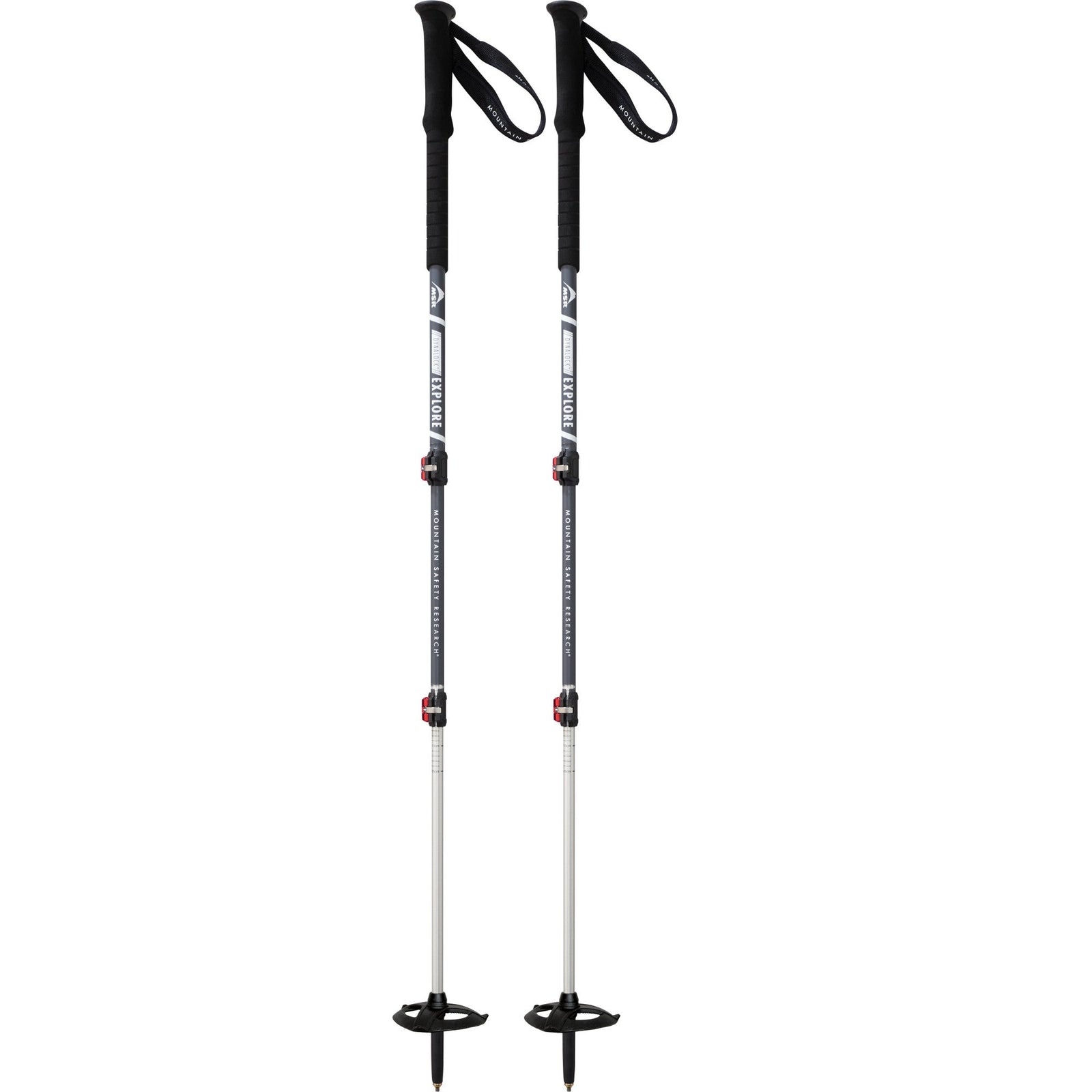
Walking and trekking poles are a walking aid that promote rhythm and assist balance whilst reducing impact on joints. Many hikers, ramblers and walkers find them a great support when roaming local hills or taking on larger mountains or challenging terrain.
A pair of well-fitting poles can help reduce knee pain and increase confidence on uneven ground. They distribute effort across your upper body, which is particularly useful on long descents or when carrying a heavy pack.
MSR trekking poles and other brands
We stock walking and trekking poles from leading outdoor brands including MSR and Black Diamond. These can be used by any level of outdoor adventurer, from your first ramble to multi-day expeditions.
Different brands offer different locking mechanisms, grip materials and shaft constructions. The choice often comes down to personal preference and the type of walking you do most.
Entry level vs lightweight performance poles
The range spans from basic entry-level poles through to high-end, lightweight performance options for situations where every gram counts.
Entry-level poles are robust and straightforward, ideal if you're new to using poles or walk occasionally. Performance poles use advanced materials and construction to save weight and often pack down smaller, which matters on long-distance routes or when poles need to stow on your pack during scrambles.
- Entry-level: heavier but durable, good value, simpler adjustment systems
- Performance: lighter materials, compact when collapsed, aimed at weight-conscious walkers
- Consider how often you'll use them and whether you need to carry them when not in use
Carbon vs aluminium poles
Pole shafts are typically made from either aluminium alloy or carbon fibre. Aluminium poles tend to be more affordable and very durable, bending rather than snapping if overstressed. Carbon poles are lighter and absorb vibration better, which can be more comfortable over long distances, though they may be less forgiving if subjected to side impacts.
Choosing poles for mountaineering
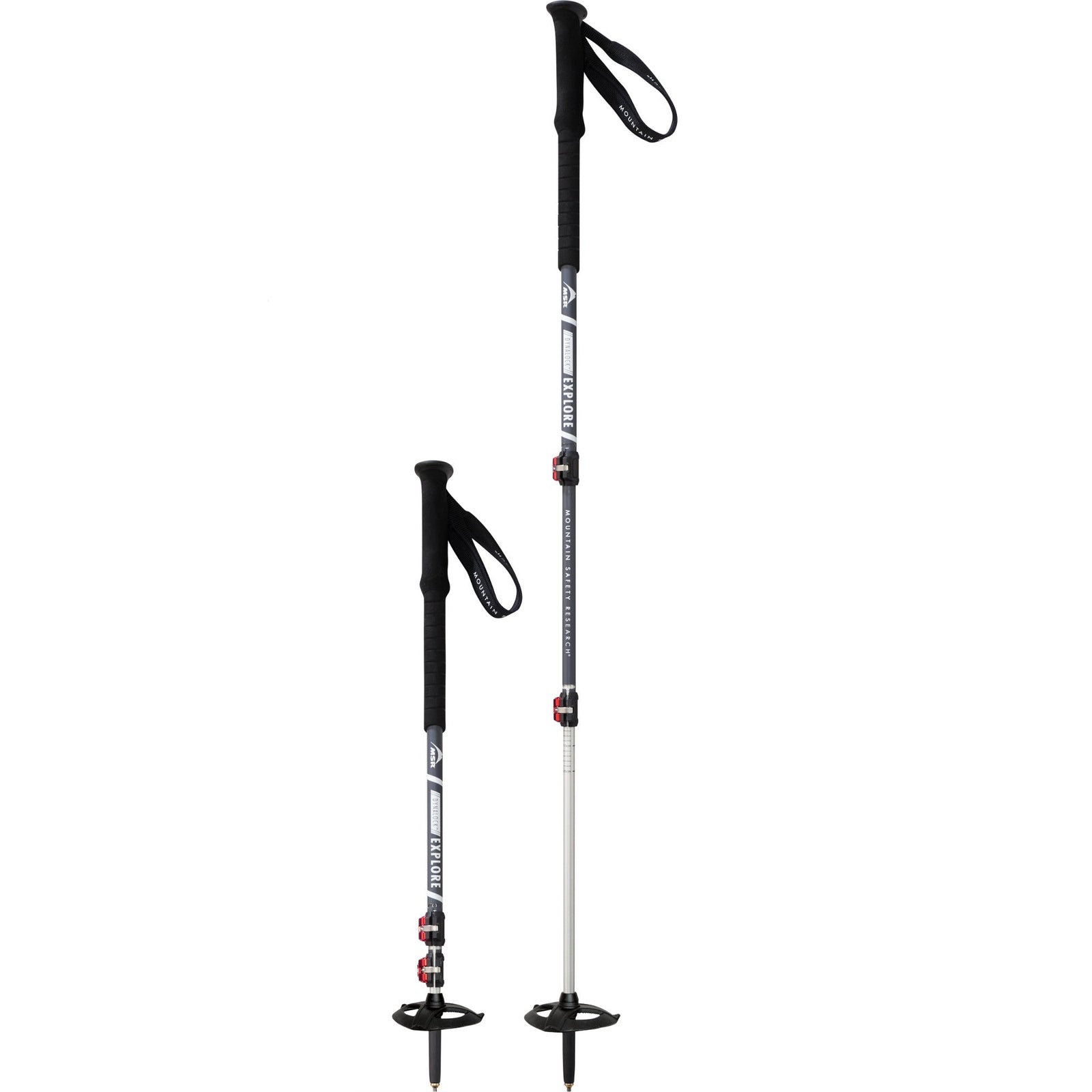
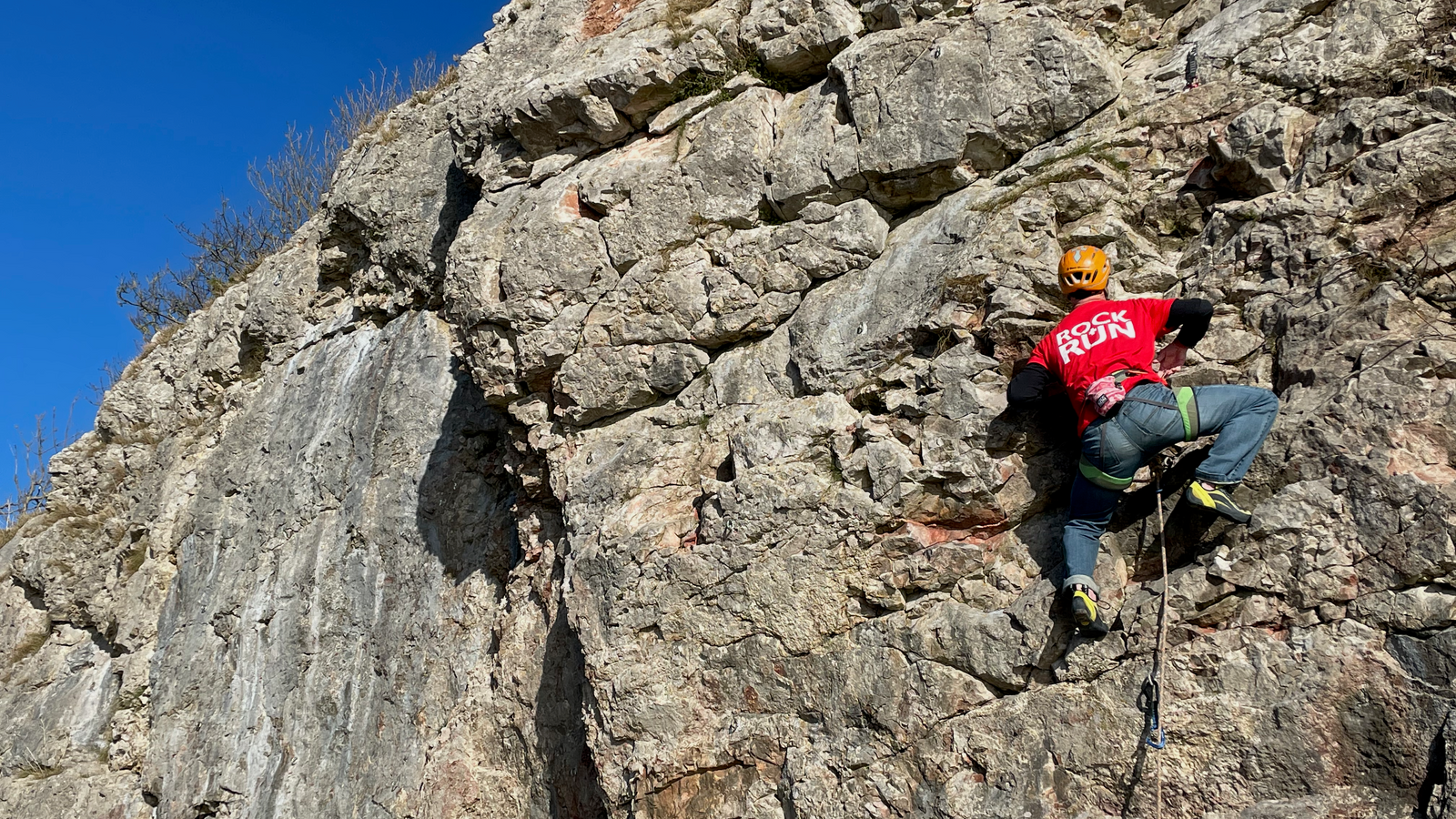
For mountaineering and more technical terrain, look for poles that collapse or fold compactly so they can be stowed when you need hands free for scrambling or via ferrata. Adjustability is useful for steep ascents and descents where you'll want different lengths.
Interchangeable baskets let you swap between small summer baskets and larger snow baskets depending on conditions. Robust locking mechanisms matter when the poles are taking more of your weight on steep ground.
Getting the right fit
Most poles are adjustable, which means one pair can work for different users or be adapted for uphill and downhill sections. When standing upright with the pole tip on the ground, your elbow should form roughly a ninety-degree angle.
Grips come in different materials, typically foam or cork. Foam is comfortable and wicks moisture well; cork moulds to your hand over time and handles sweat effectively. Wrist straps should be adjustable and padded for comfort on long days.
Questions we get asked
Do I need one pole or two?
Most walkers use a pair of poles for balanced support and rhythm. A single pole can be useful for easy terrain or if you prefer one hand free, but two poles distribute load more evenly and provide better stability on descents and uneven ground.
Can the same poles be used for hiking and mountaineering?
Yes, adjustable poles work across different activities. For mountaineering, choose poles that pack down compactly and have robust locking systems, as you'll need to stow them during scrambles and rely on them more heavily on steep terrain.
How do I know what length to set my poles?
Start with your elbow at a ninety-degree angle when the pole tip is on flat ground. Shorten the poles slightly for uphill sections to maintain your rhythm, and lengthen them for descents to reduce impact on your knees.
What are pole baskets for?
Baskets prevent the pole tip sinking into soft ground, mud or snow. Smaller baskets suit firm summer trails, while larger snow baskets are essential for winter walking where poles would otherwise plunge deep into snow.
Are walking poles suitable for beginners?
Absolutely. Poles help build confidence on uneven ground and reduce strain on knees, which is especially helpful when you're starting out. Entry-level poles offer good value and straightforward adjustment systems that are easy to learn.