What size rucksack do I need for climbing?
The right capacity depends on the length and style of your trip. Day cragging typically needs less volume than multi-day alpine routes or expeditions requiring camping gear, food and extra layers.
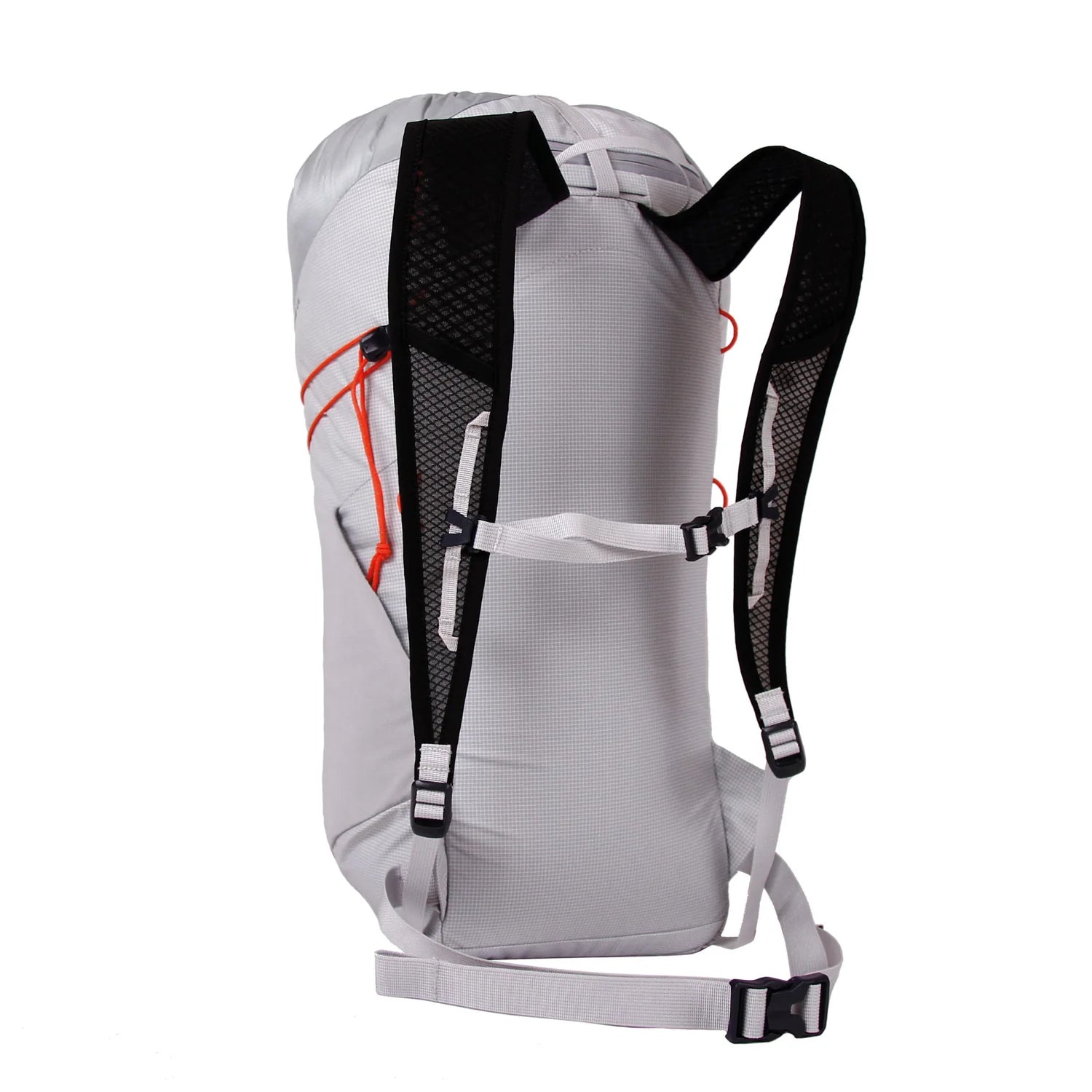
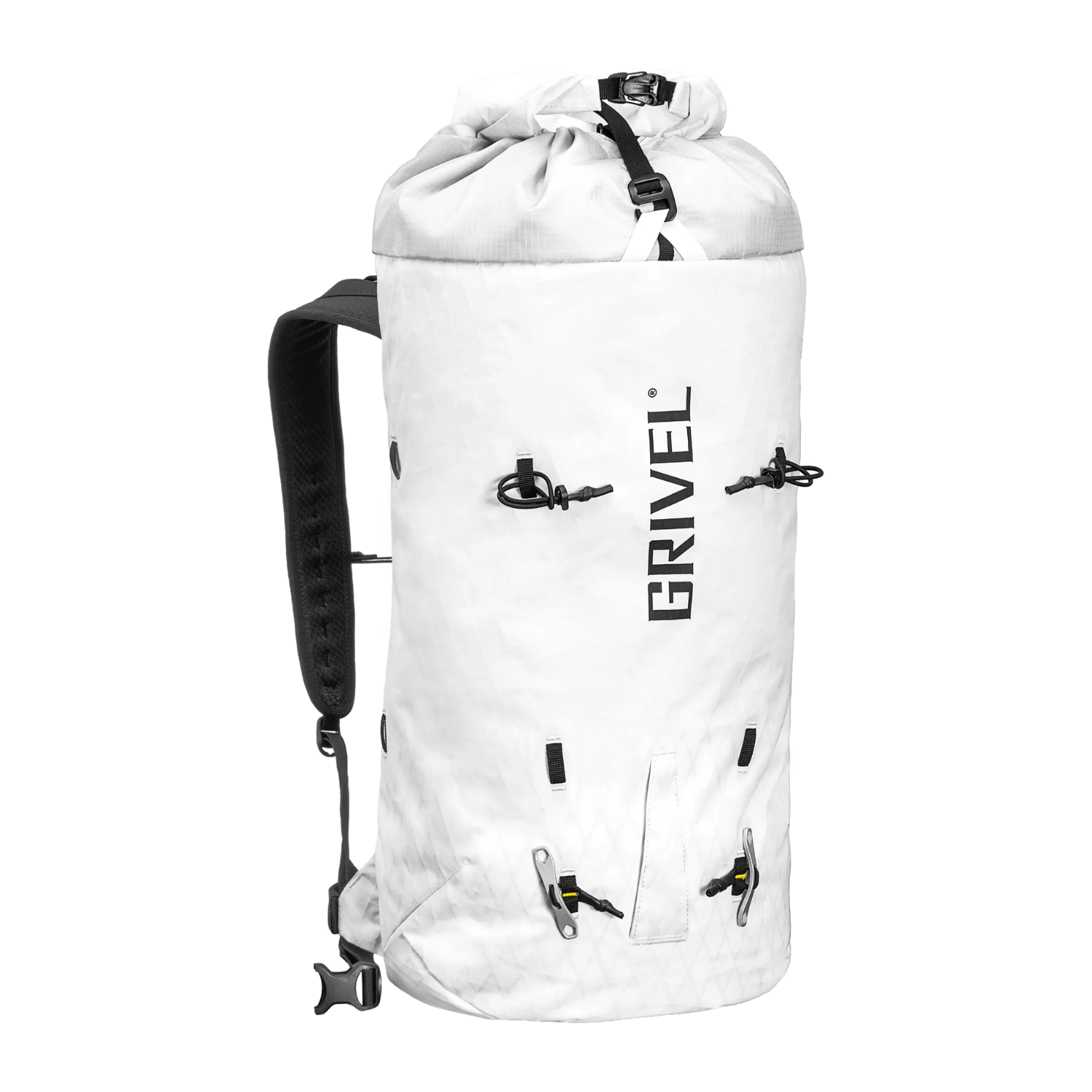
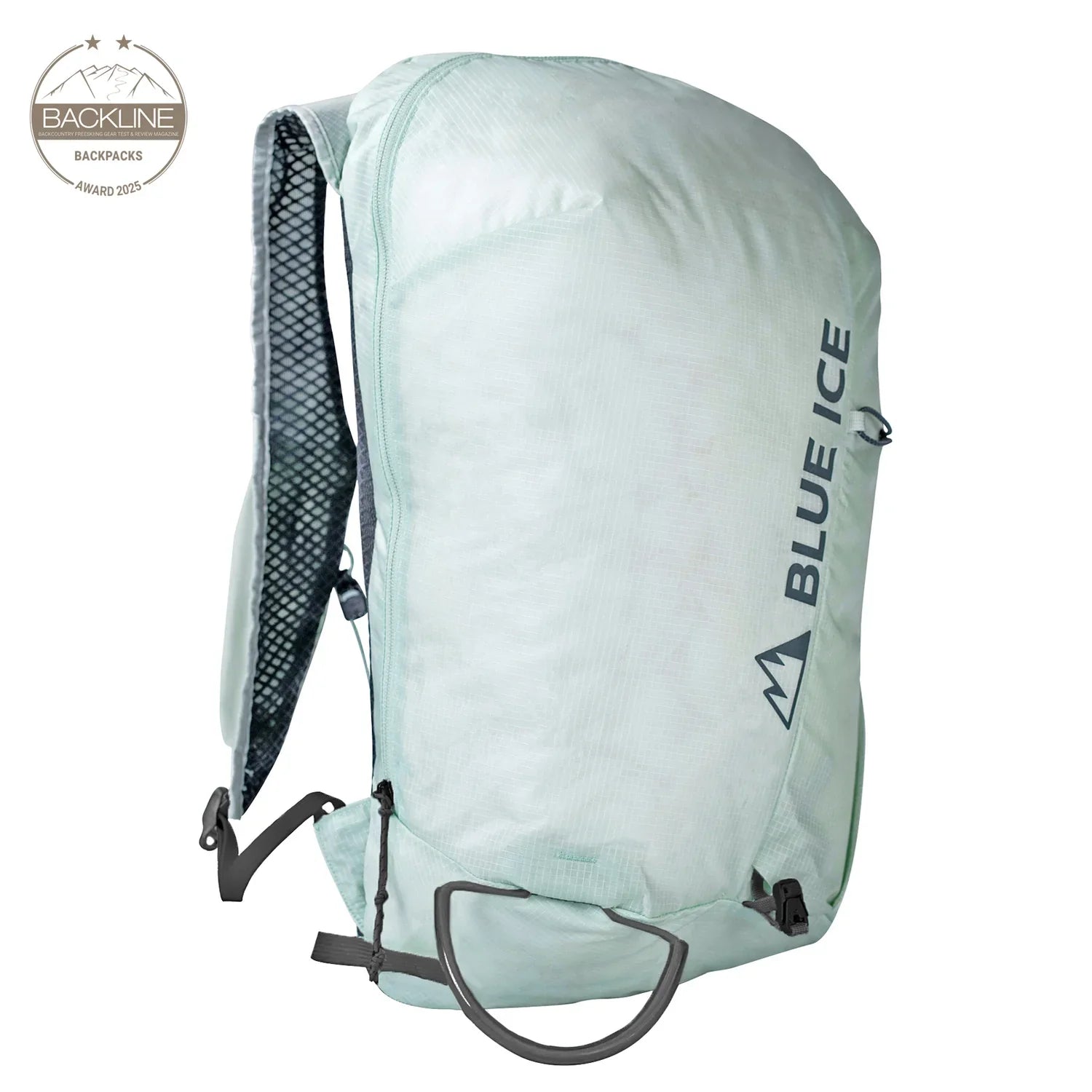
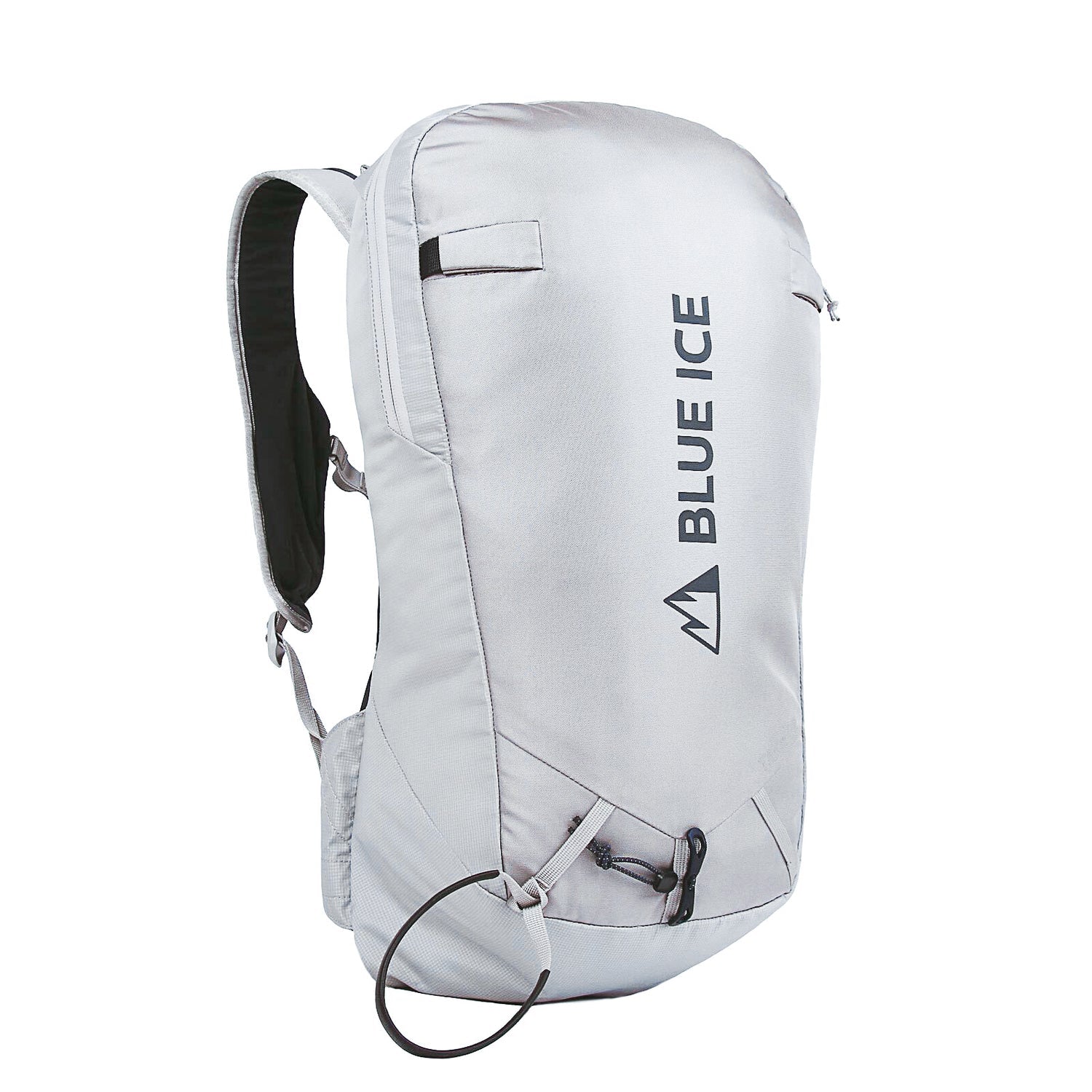
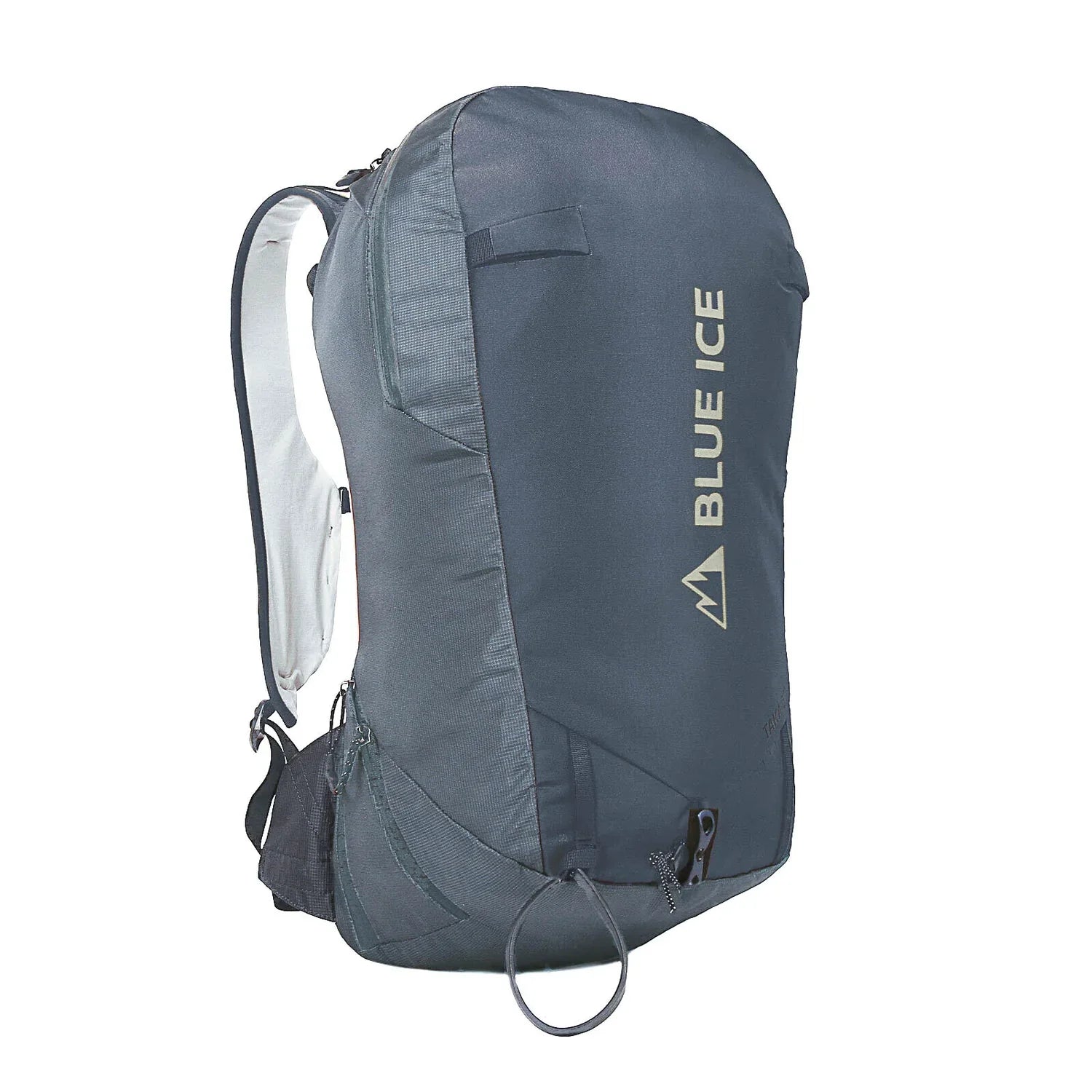
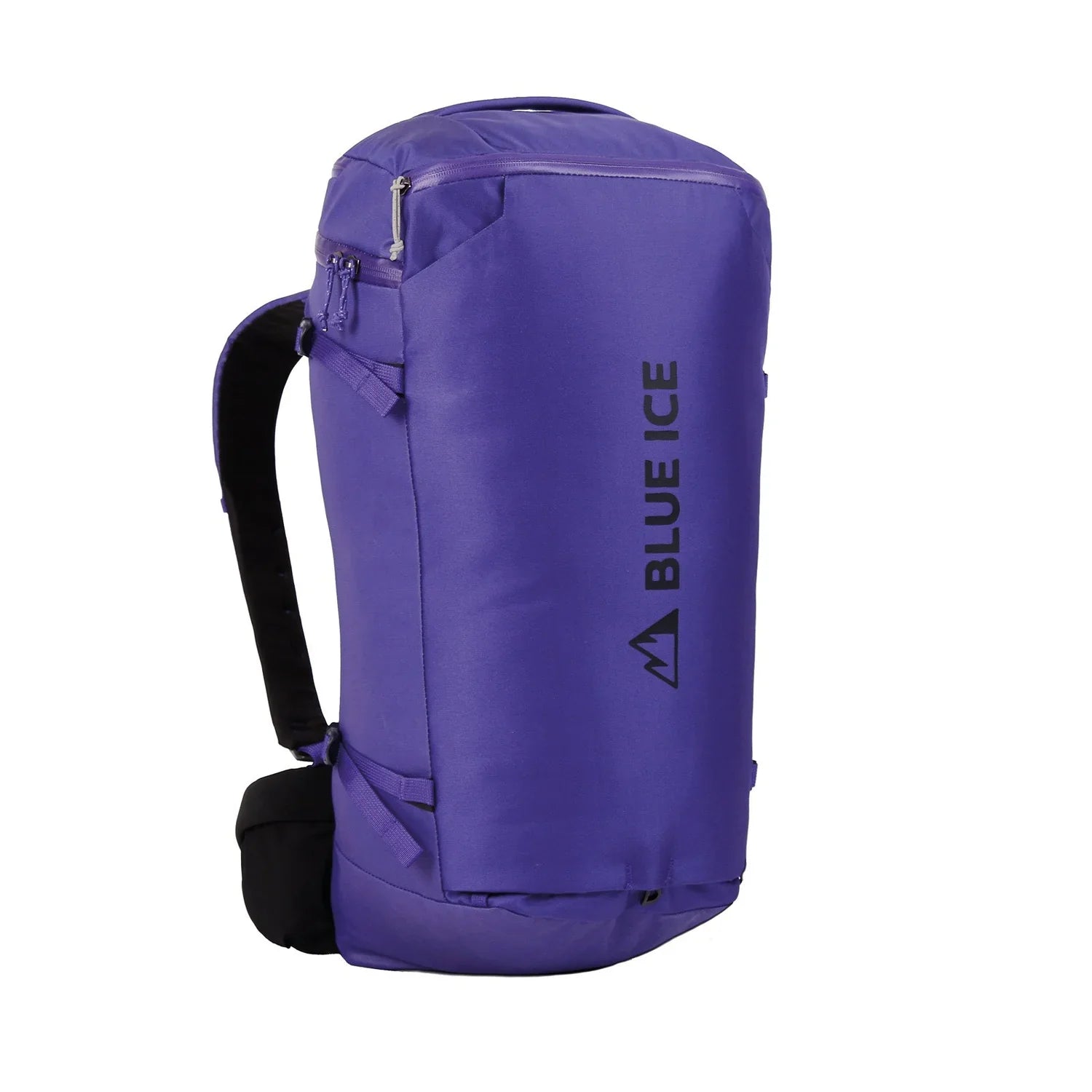
Crag packs open fully for easy access to all your kit at the base of a route. Multi-pitch packs are lighter and streamlined, designed to stay on your back while climbing. Technical mountaineering packs accommodate ice tools, crampons and the essentials for longer mountain days. Bouldering packs go over your shoulder and carry shoes, chalk and brushes without the bulk.
What features should a climbing backpack have?
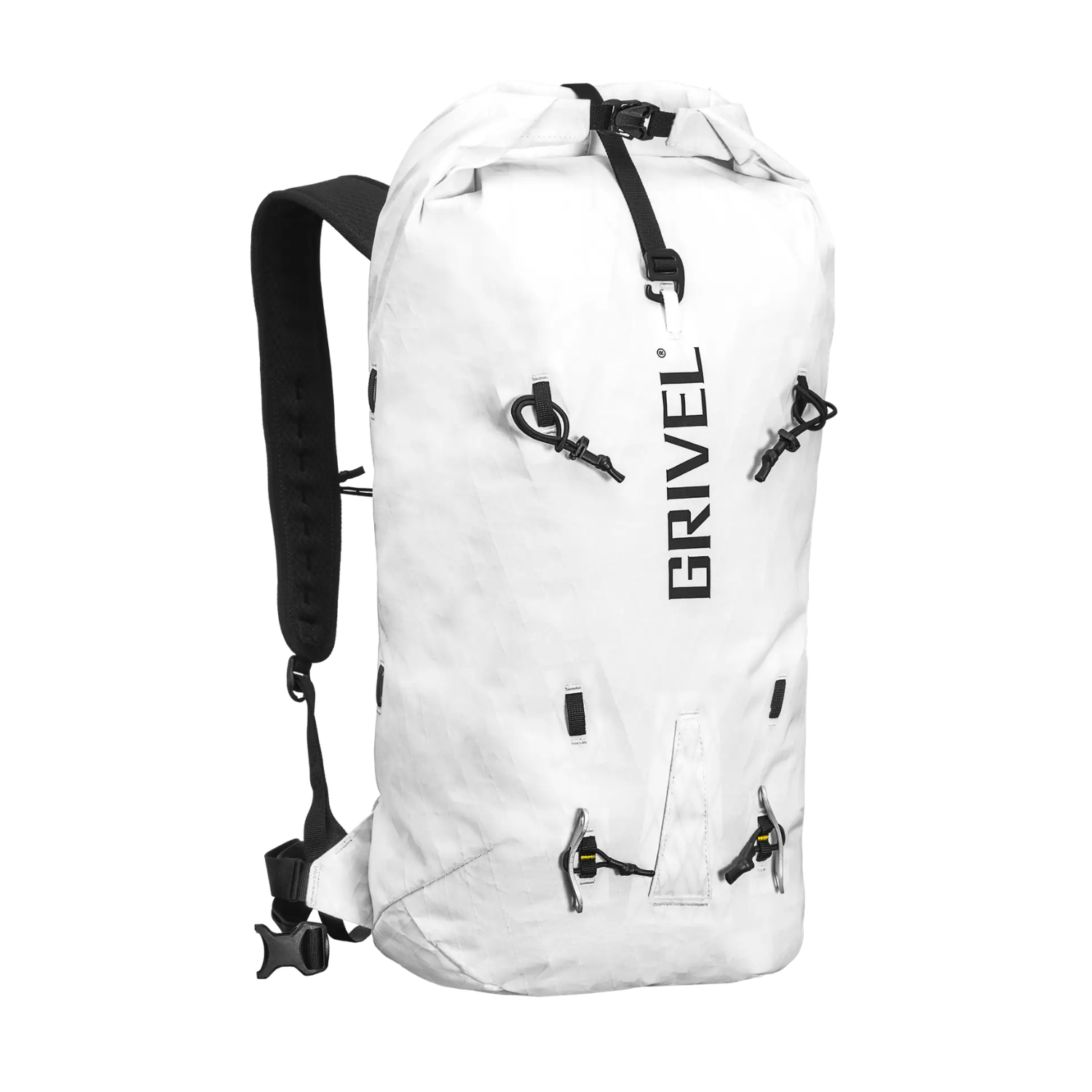
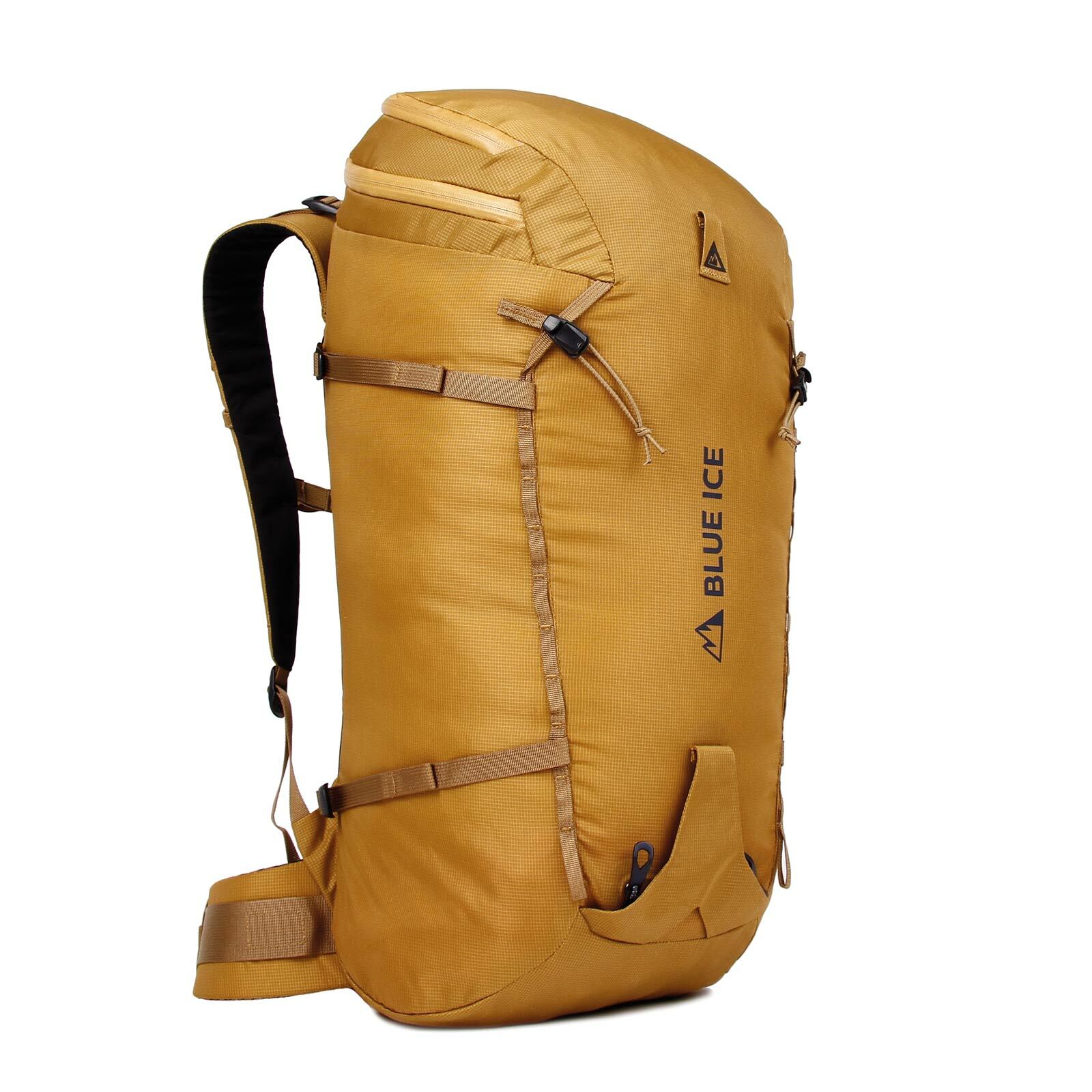
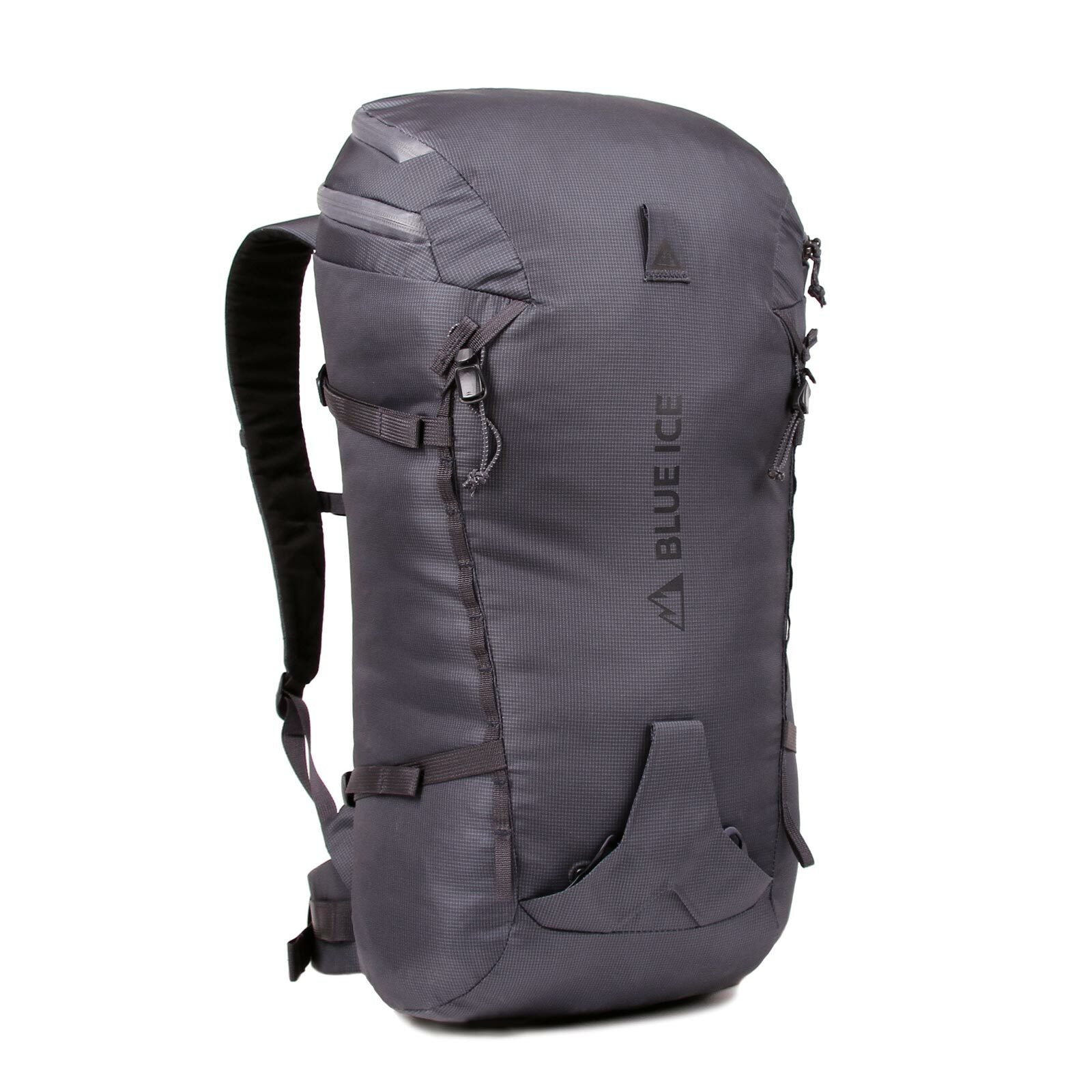
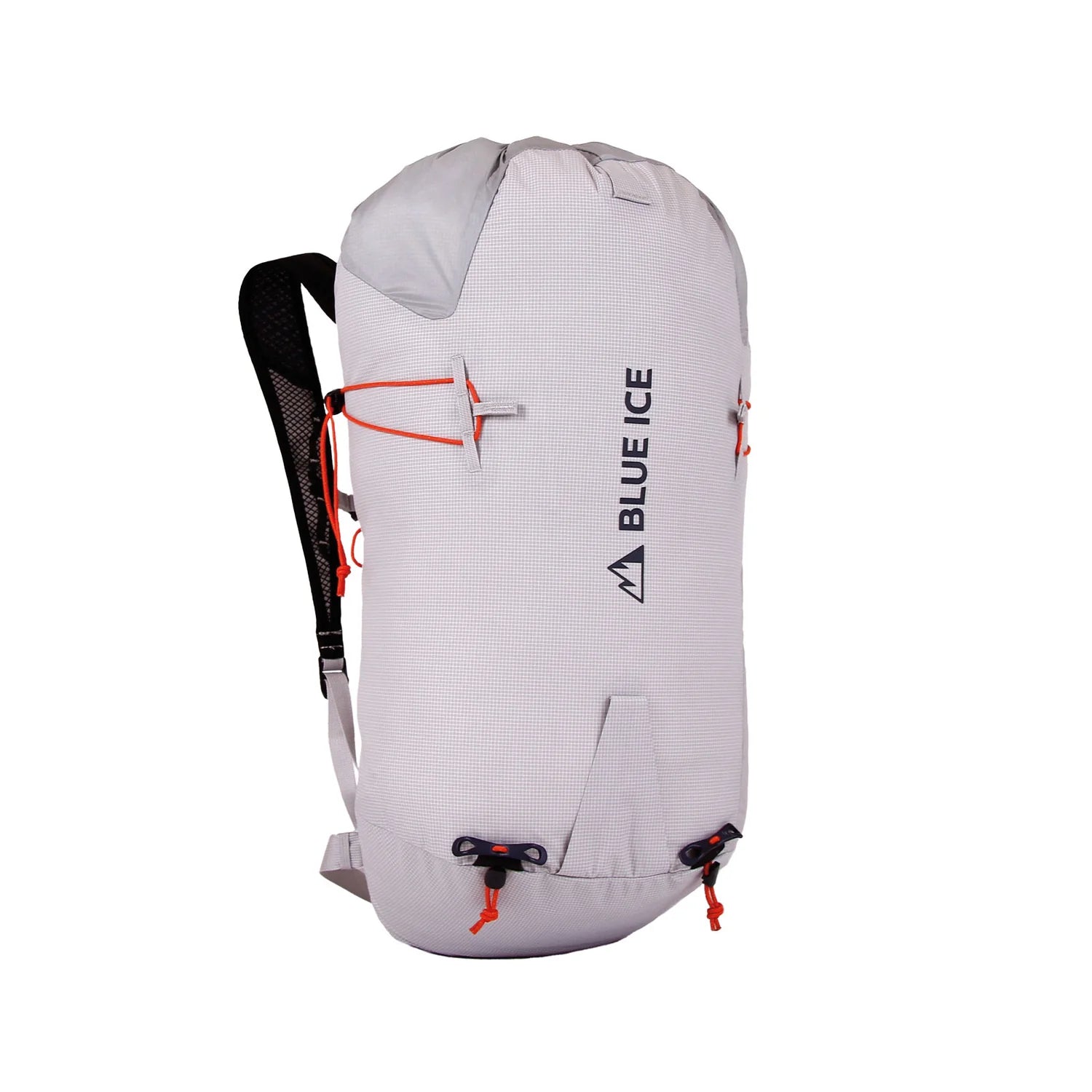
Look for features that match how you climb. Multi-pitch and mountaineering rucksacks benefit from gear loops for quickdraws and slings, haul loops for hauling or clipping the pack to a belay, and helmet holders so you can stash your lid when it's off.
Ice tool attachments and crampon pouches matter for winter and alpine routes. Minimal strapping keeps weight down and prevents snags on technical ground. Crag packs prioritise access and organisation over weight, with full-opening designs that let you see everything at once.
Climbing rucksack or general hiking pack?
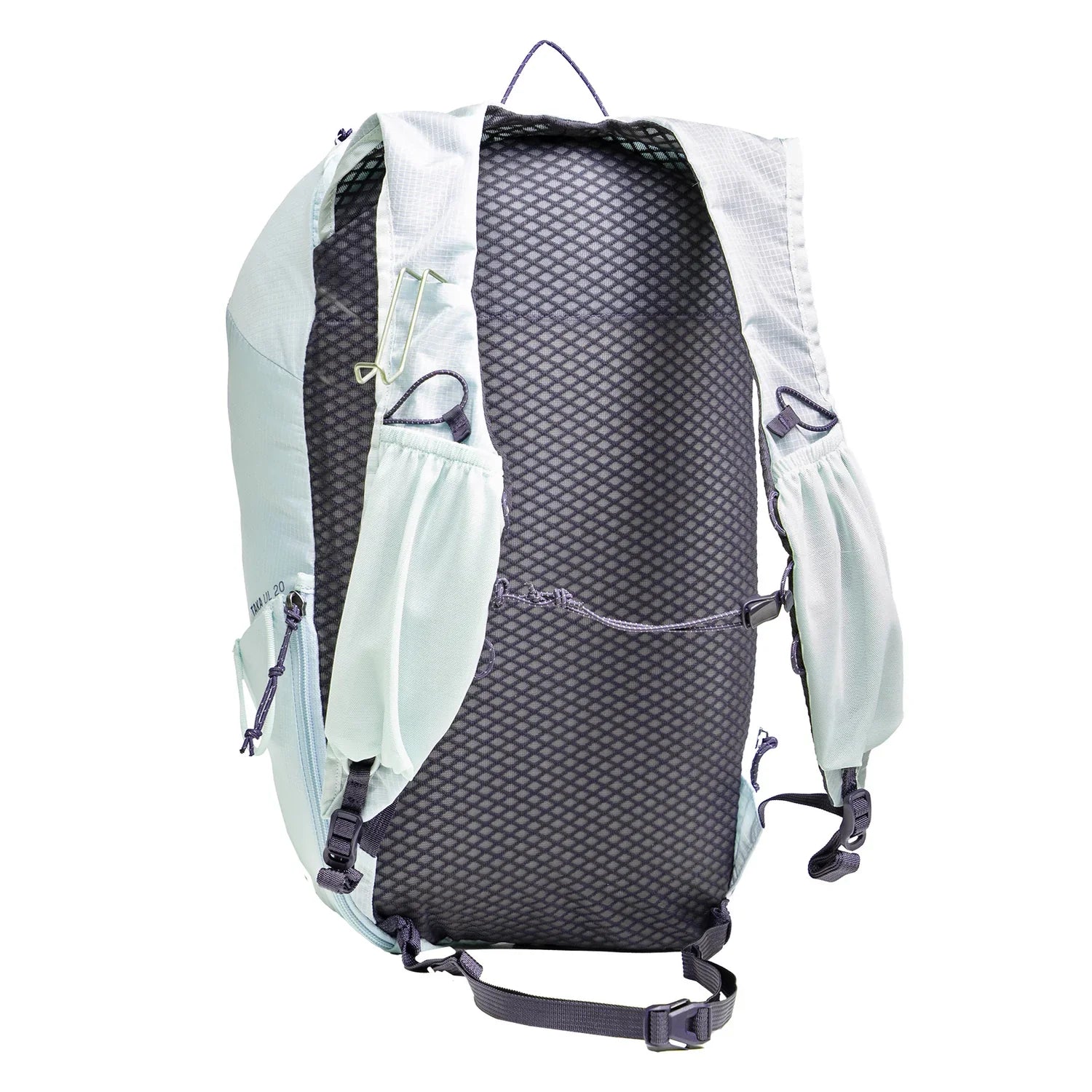
Climbing-specific rucksacks are built lighter and simpler than trekking packs, with fewer pockets and less padding. They're designed to move with you on steep or technical terrain, with close-fitting profiles that don't throw your balance when you're on rock or ice.
General hiking rucksacks work well for approach walks and scrambles but can feel bulky on harder routes. That said, many packs sit somewhere in the middle and handle both walking and climbing without compromise, particularly if you're after one bag for varied mountain days.
What to consider when buying a rucksack
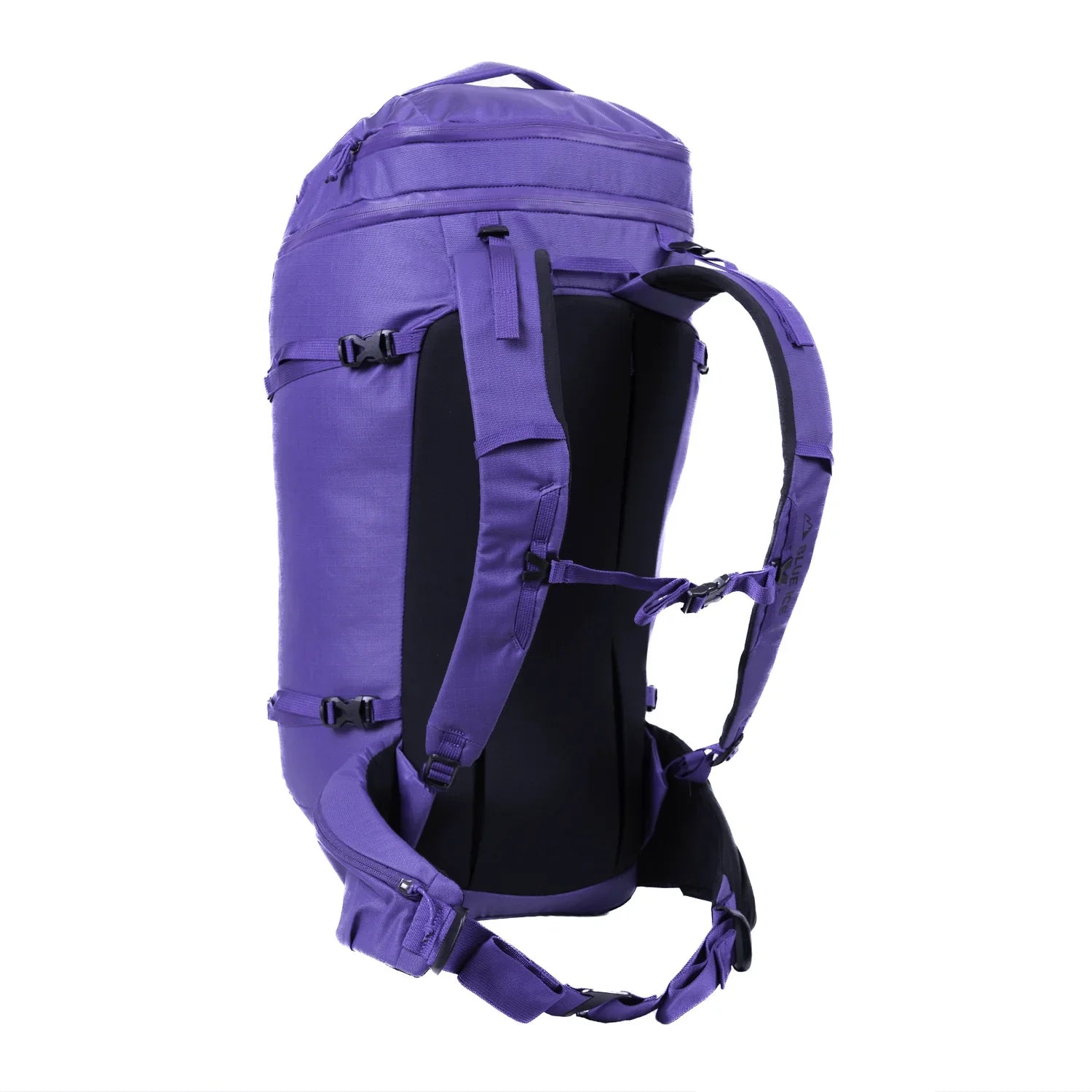
Fit matters as much as capacity. A pack that sits well on your back and doesn't shift when you move will be far more comfortable than one with every feature but poor balance. Torso length, not your height, determines the right size for most packs.
Think about durability versus weight. Lighter fabrics shave grams but may wear faster if you're regularly scrambling over rock or shoving the pack into chimneys. Heavier packs with reinforced bases and tougher fabrics last longer in rough use. Consider how you'll actually use the pack, not just what sounds appealing on paper.
- Match capacity to trip length and the bulk of your kit
- Check for the attachments your style of climbing needs
- Try the pack on with weight in it if possible
- Consider whether you need one specialist pack or a versatile all-rounder
Questions we get asked
Can I use a climbing rucksack for hiking?
Yes, though climbing packs are typically lighter and less padded than dedicated hiking rucksacks. They work well for fast-and-light hill days but may lack the carrying comfort for heavy loads over long distances.
What's the difference between a crag pack and a multi-pitch pack?
Crag packs open fully for easy access to all your gear at the bottom of a route. Multi-pitch packs are lighter, streamlined, and designed to stay on your back while you climb, with gear loops and haul points.
Do I need separate rucksacks for summer and winter climbing?
Not necessarily. Many mountaineering rucksacks work year-round, with ice tool attachments and crampon storage that you simply don't use in summer. Specialist winter packs tend to be lighter and more technical, which matters more on harder alpine or mixed routes.
How do I know if a rucksack fits properly?
The hip belt should sit on your hips, not your waist, and the shoulder straps shouldn't dig in or gap away from your shoulders. Most of the weight should transfer to your hips, and the pack shouldn't pull you backwards when loaded.
What's a haul loop for?
A haul loop lets you clip your rucksack to your harness or a belay and haul it up after you've climbed a pitch. It's essential for multi-pitch routes where you don't want the pack on your back while climbing.