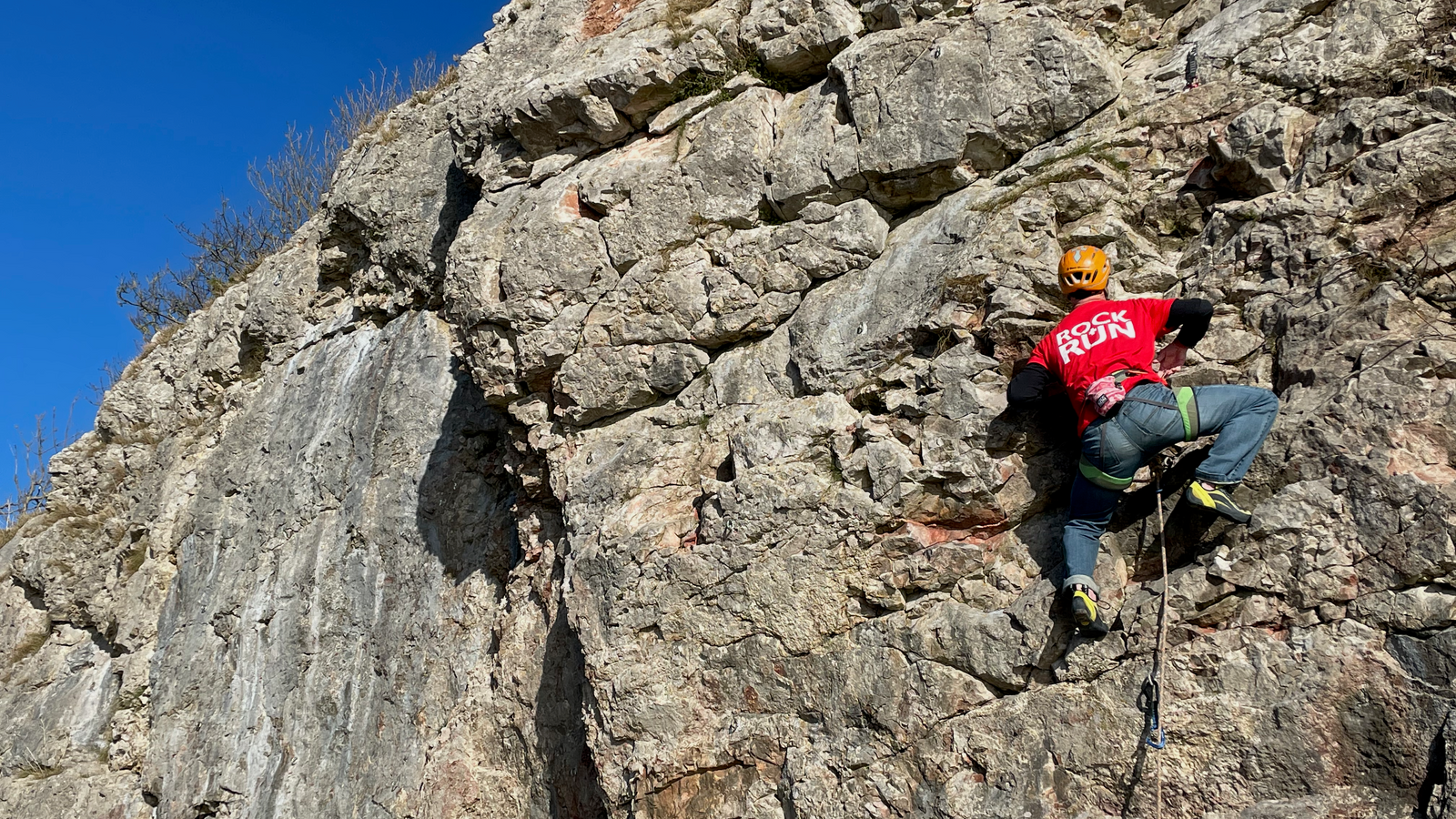
Walking boots or approach shoes?
Walking boots offer ankle support and are built for rough terrain, load carrying and longer days out. Approach shoes sit lower, closer to a trainer, and suit easier ground, scrambling or technical walking where you need more flexibility and precision underfoot.
If your routes involve scree, big descents or you're carrying overnight kit, a boot gives you more stability. For rock hopping, via ferrata or moving quickly on mixed ground, approach shoes let you feel the terrain better.
Finding walking boots in size 13
Larger sizes narrow the choice, but the important thing is fit rather than model name. Try boots later in the day when your feet are slightly swollen, wear the socks you'll walk in, and check you have a thumb's width behind your heel when your toes touch the front.
Width matters as much as length. If a size 13 feels tight across the ball of your foot but long enough, ask whether a wider fit is available. Some lasts run narrow; others are generous.
What to look for in a walking boot
Start with where you'll walk. Easier paths and day walks suit lighter boots with softer soles. Rocky ground, heavy packs or winter conditions call for stiffer construction and deeper tread.
Fit is everything. A boot should hold your heel firmly without pinching your toes. Lace it properly, check for pressure points, and walk on a slope if you can—your toes shouldn't jam forwards on descents.
- Stiff soles support your foot on uneven ground and take crampons if needed
- Softer boots flex more easily but offer less support under load
- Ankle height protects against rolled ankles and keeps debris out
- Waterproofing adds comfort but reduces breathability—consider your climate
- Break boots in gradually; even well-fitted boots need a few short walks before a long trip
Understanding fit and sizing
Boot sizing is not the same as trainer sizing. Brands vary, and European sizes don't always convert neatly to UK measurements. The only reliable test is to try them on with walking socks.
Your foot should sit back in the heel cup when you stand, with wiggle room for your toes. On a downhill test, your toes should come close to the front but not hit it. If they do, try a half size up or a different last shape.
Approach boots for technical ground
Approach boots bridge the gap between walking boots and climbing shoes. They suit scrambling, easy climbing approaches and rough trails where you need sticky rubber and precision rather than maximum ankle support.
The soles are usually softer and stickier than walking boot rubber, the toe is shaped for edging, and the fit is closer. They're not designed for heavy loads or long valley walks, but they excel where the ground gets interesting.
Questions we get asked
Do I need waterproof walking boots?
Waterproof membranes keep rain and stream crossings out, but they also trap heat and sweat. For wet British hills, waterproofing makes sense. For dry climates or summer walking, breathable non-waterproof boots can be more comfortable.
How stiff should a walking boot be?
It depends on the terrain and load. Stiffer boots support your foot on rocky ground and under a heavy pack, but they're less comfortable on easy paths. A flexible boot suits day walks and groomed trails; a rigid boot suits mountains and winter use.
Should walking boots feel tight when I first try them on?
No. They should feel snug around the heel and midfoot but not tight. Your toes need room to spread and move. Boots that feel tight in the shop will feel worse after an hour on the hill.
Can I use approach shoes for normal walking?
Yes, but they're not ideal for long distances or heavy packs. Approach shoes are built for technical ground and scrambling, so they lack the cushioning and support of a walking boot. They're brilliant for short, rough routes but tiring on longer valley walks.
How do I know if a walking boot fits properly?
Lace them fully, stand up, and kick your heel back. There should be a thumb's width between your longest toe and the front. Walk on a slope—your heel shouldn't lift, and your toes shouldn't jam forwards. If anything pinches or rubs, try a different model.