What are approach shoes?
Approach shoes are hybrid footwear that bridge the gap between hiking boots and rock climbing shoes. They're designed for the walk-in to a crag, where you'll encounter rocky, slippery or uneven terrain, but they're versatile enough for scrambling and in some cases low-grade climbing.
The key feature is a sole made from the same sticky rubber you find on climbing shoes, giving you grip on rock that ordinary walking boots can't match. They're lighter, more breathable and more versatile than hiking boots, which is why climbers prefer them for approaches.
What makes the best approach shoes?
The best approach shoe for you depends on how you'll use it. If your approaches are mostly walking trails with short scrambles, look for more cushioning and ankle support. If you're tackling steep, rocky terrain or easy climbing moves, prioritise a stiffer sole and more precise fit.
Sticky rubber outsoles are standard, but tread patterns vary. Deeper lugs suit softer ground and scree, while flatter profiles with climbing zones at the toe work better on rock. Some models offer a rand for extra protection on rough stone.
- Fit: snug but not tight, with room to wiggle toes on descents
- Sole stiffness: stiffer for edging on rock, softer for comfort on trails
- Upper construction: leather is durable but heavier, synthetic dries faster
- Closure system: laces give a precise fit, straps or bungees offer convenience
Approach shoes vs hiking boots
Approach shoes are lighter and lower-cut than hiking boots, making them more agile on technical ground. The sticky rubber sole grips rock far better than a typical walking boot tread, and the closer fit gives you more precision when placing your feet.
Hiking boots offer more ankle support and cushioning for long days with heavy packs on gentle trails. If your route involves sustained scrambling, rock slabs or any climbing, approach shoes are the better choice. For straightforward mountain paths with minimal scrambling, boots may be more comfortable.
Getting the right fit
A well-fitted approach shoe should feel snug around the heel and midfoot without pinching. Your toes should just brush the front when standing, with enough room to wiggle them. This is closer to a climbing shoe fit than a walking boot, but you still need comfort for the walk-in.
Try them on with the socks you'll wear on the hill. Walk on an incline if you can to check for heel lift, and stand on your toes to see if the forefoot flexes where your foot bends. Sizing can vary between brands, so use the sizing guide if you're ordering.
Questions we get asked
Can you climb in approach shoes?
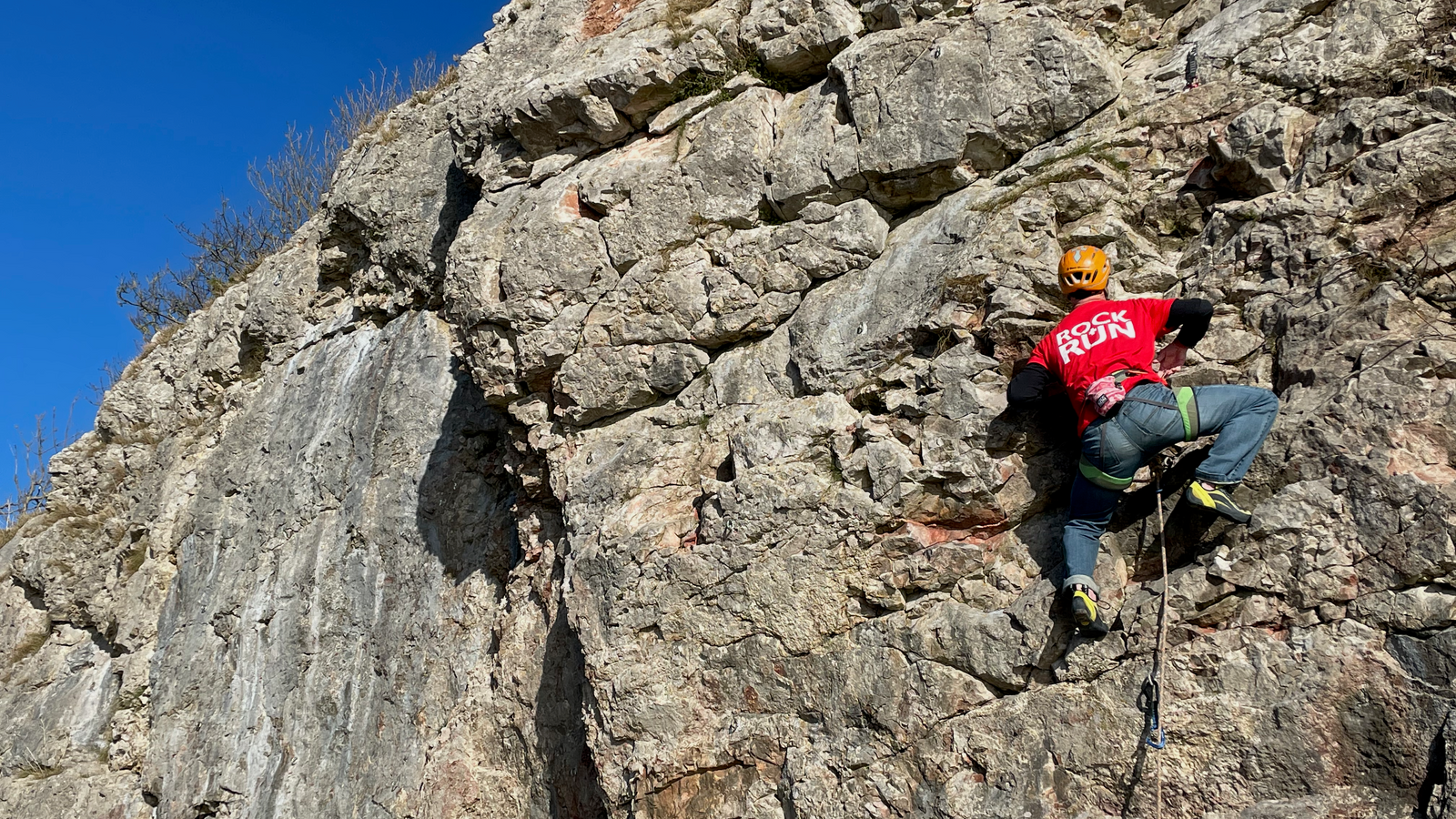
Yes, if they're fitted correctly, approach shoes can be worn for low-grade climbing as well as scrambling. The sticky rubber sole gives you grip on rock, though they won't be as precise as dedicated climbing shoes on harder routes.
Should approach shoes be tight or loose?
Approach shoes should fit snugly but not tight. They need to be closer-fitting than hiking boots for precision on rock, but still comfortable enough to walk in for an hour or more. Your toes should just touch the front when standing.
Do I need approach shoes or can I use trainers?
Trainers lack the sticky rubber sole and protective construction you need on rocky, uneven approaches. Approach shoes are designed specifically for this terrain, with grip and durability that trainers can't match.
What's the difference between La Sportiva and Scarpa approach shoes?
Both brands make high-quality approach shoes, but they often differ in fit. La Sportiva models tend to suit narrower feet, while Scarpa often offers a slightly wider fit. Try both to see which shape suits you best.
Can I use approach shoes for everyday walking?
You can, but approach shoes are designed for technical terrain rather than pavements or easy trails. The sticky rubber wears faster on hard surfaces, and they're often less cushioned than walking shoes, so they're best saved for the hill.